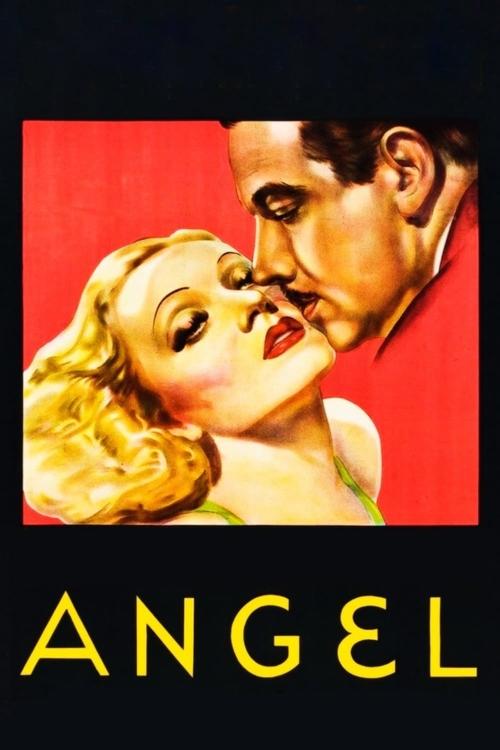
Angel
1937
No user ratings available yet
Representation score: 3.0 out of 10
Representation Score
Limited
1932
ApprovedDirector
Wesley Ruggles
Runtime
85 minutes
Average Rating
No ratings yetNew Showbiz Analysis
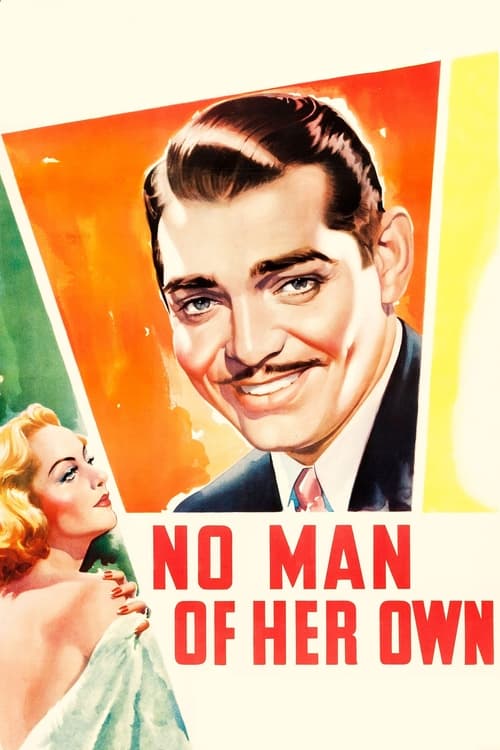
No Man of Her Own stands out for its sophisticated handling of gendered ability to act within a Pre-Code framework. By centering a woman's pragmatic response to social vulnerability, the film deconstructs the traditional sanctity of marriage in favor of survival-based unions. However, the film remains limited by the cinematic homogeneity of its era. It lacks diverse representation regarding race, ethnicity, or sexual orientation. Ultimately, the work is a period melodrama that challenges social orthodoxies through its characters' moral ambiguity, even while remaining rooted in a Western, Eurocentric perspective.
Category Breakdown
The film centers on traditional heterosexual marriage and reproduction. No characters with non-binary gender identities or same-sex relationships are included.
Sylvia Sidney's character challenges typical romantic clichés by emphasizing personal survival and practical decisions over idealized romance. She deals with an unplanned pregnancy through a pragmatic marriage, highlighting female independence.
The cast is primarily composed of white actors, mirroring the production standards of 1932 and the film's 19th-century French setting. There is no diverse casting.
The story critiques strict social hierarchies by focusing on a scandalous situation. It prioritizes survival and situational morality over adherence to dogmatic religious ideals.
No visible or invisible disabilities are featured in the characters' arcs or the plot progression.
Present on Screen
Limited or Absent
Official Synopsis
An on-the-lam New York card shark marries a small-town librarian who thinks he's a businessman.
1937
1936
1931

1942
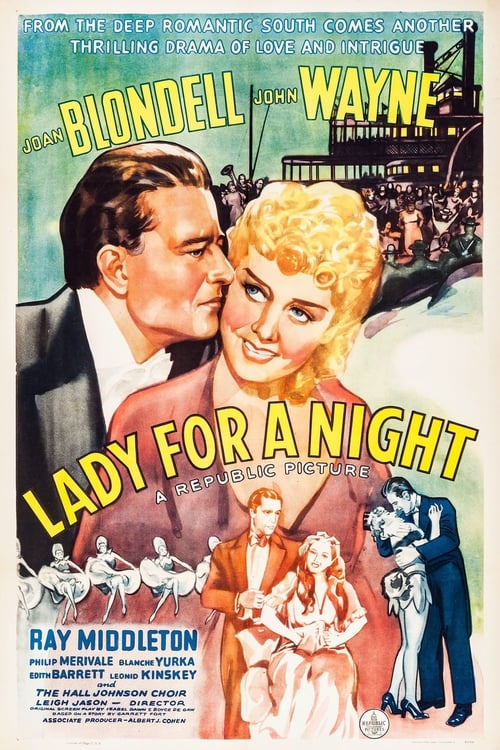
1942
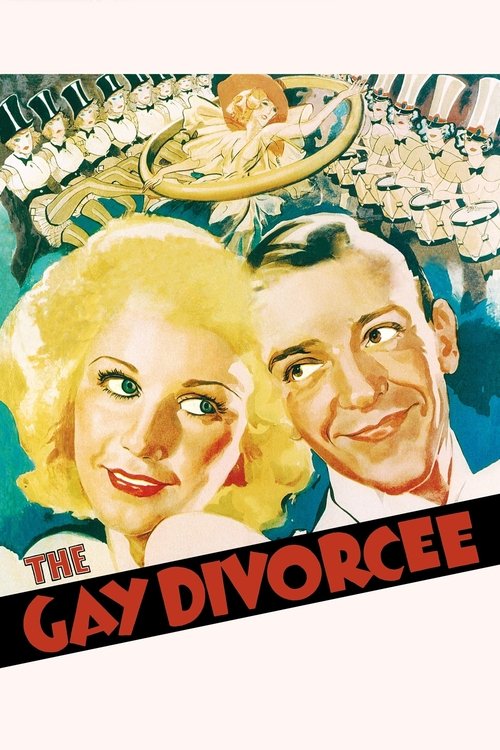
1934
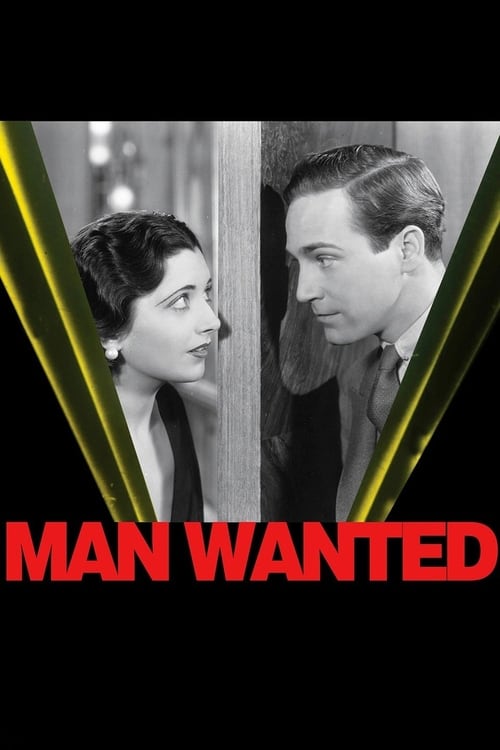
1932
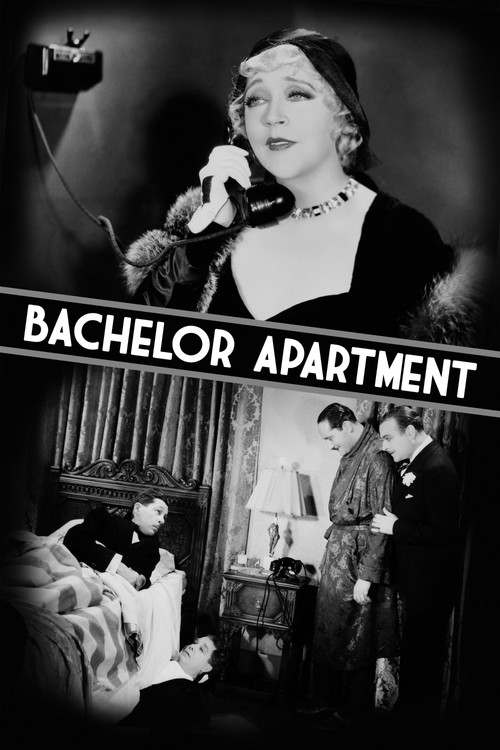
1931
No reviews yet. Be the first to share your thoughts on this movie!
Use the rating form above to leave a star rating and optional review.