The Garden of Eden
1928
No user ratings available yet
Diversity score: 2.3 out of 10
1937
NRDirector
Mitchell Leisen
Runtime
92 minutes
Average Rating
No ratings yetSynopsis
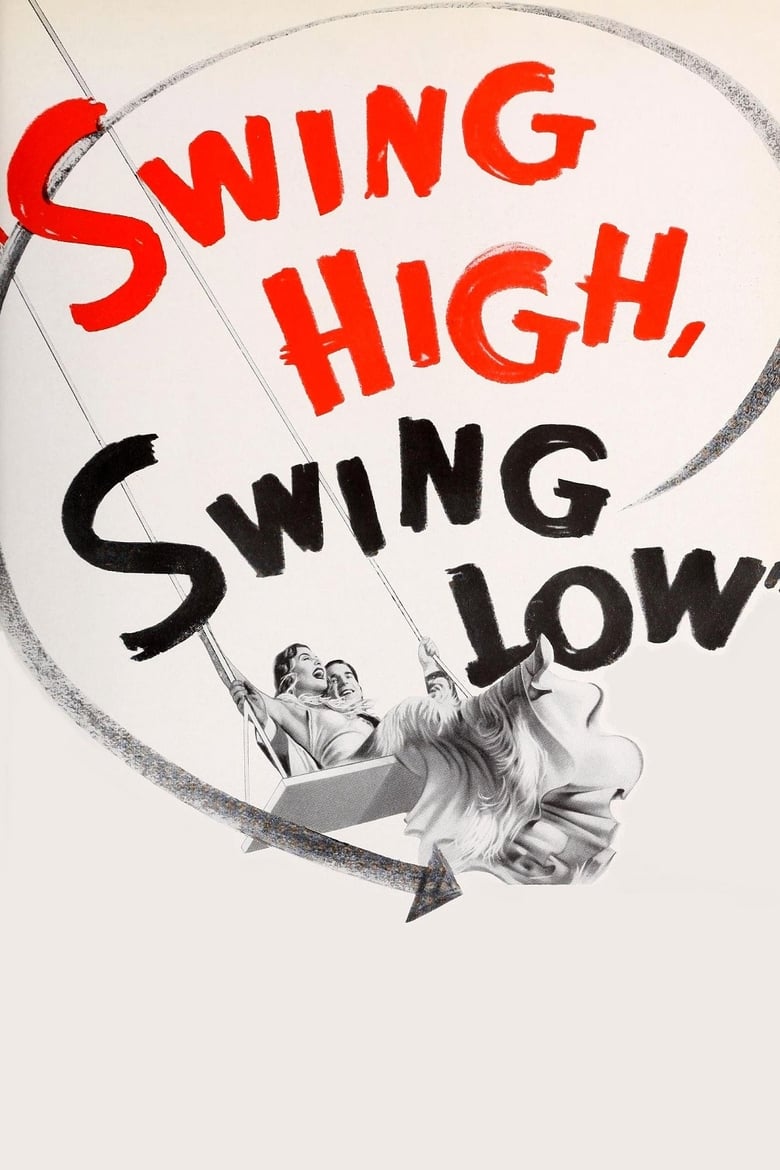
In Panama, Maggie King meets soldier Skid Johnson on his last day in the army and reluctantly agrees to a date to celebrate. The two become involved in a nightclub brawl which causes Maggie to miss her ship back to the States. Now stranded, she's forced to move in with Skid and his pal Harry. She soon falls in love with Skid. Skid gets a job playing the trumpet at a local club and becomes a big success. Fame and fortune go to his head which eventually destroys his relationship with Maggie and his career.
Overall Score
Limited
Category Breakdown
LGBTQ+ Representation
The film lacks LGBTQ+ characters or non-heteronormative identities. The romantic structure focuses exclusively on a traditional heterosexual pairing between the leads.
Gender Representation
Maggie King demonstrates significant agency by choosing romantic autonomy over social stability. Her decision to defy high-society etiquette disrupts era-specific expectations of female passivity.
Racial & Ethnic Diversity
Black musicians provide essential cultural texture and visibility within the musical sequences. However, the primary emotional stakes and character arcs remain reserved for the white protagonists.
Religious & Cultural Diversity
The story explores the friction between rigid Western class structures and bohemian jazz culture. It critiques high-society respectability but remains a romantic melodrama rather than a systemic critique.
Disability Representation
There are no prominent depictions of physical or neurodivergent disabilities driving the narrative.
Strengths
Areas for Improvement
AI Analysis
Swing High, Swing Low captures the tension between traditional social hierarchies and the rising cultural influence of the jazz scene. It functions as a transitional text that uses musical subcultures to challenge upper-class rigidity. While the film offers a nuanced look at female agency and class mobility, it lacks intersectional depth. The narrative maintains a Eurocentric focus, centering the emotional weight on white characters while using Black performers primarily for atmospheric texture. Ultimately, the film prioritizes individual emotional truth over institutional reform, making it a study of personal desire versus social duty.
No reviews yet. Be the first to share your thoughts on this movie!
Use the rating form above to leave a star rating and optional review.