Kids Return
1996
No user ratings available yet
Representation score: 1.7 out of 10
Representation Score
Fair
2006
Director
Takeshi Miyasaka, Takashi Miike
Runtime
43 minutes
Average Rating
No ratings yetNew Showbiz Analysis
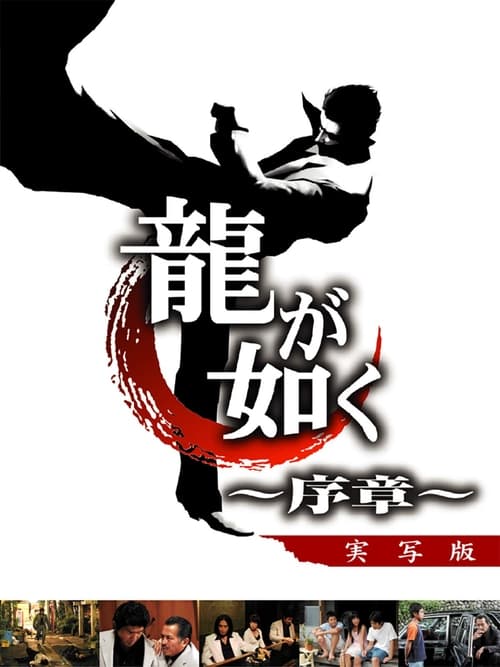
Like a Dragon: Prologue is a character-driven crime drama that prioritizes thematic depth over broad demographic representation. It delves into the cycles of violence and loyalty within the Yakuza, offering a nuanced examination of systemic social structures. While the film lacks visible representation of LGBTQ+ identities or non-straight-centered narratives, it excels in deconstructing traditional morality. The narrative avoids simplistic ethical frameworks, opting instead for a complex exploration of how individuals navigate violent environments. Ultimately, the work serves as a culturally specific study of Japanese criminal institutions, trading broad demographic inclusivity for a deep, situational moral relativism.
Category Breakdown
The film does not include explicit representations of LGBTQ+ characters or identities that challenge the assumption that everyone is straight or cisgender. The story focuses on traditional patriarchal structures within the Yakuza and bonds between characters.
The narrative centers around a male-dominated criminal hierarchy. Female characters such as Yuko Nishikiyama and Yumi Sawamura exist but are primarily defined by their relationships to male protagonists.
Set in 1970s Japan, the cast reflects a predominantly homogeneous social environment. There is no indication of racial blending or non-Japanese identities within the narrative.
The film provides a sophisticated exploration of moral complexity through Shintaro Kazama's situational ethics. It portrays the Yakuza as a multifaceted social institution rather than a simplistic binary of good versus evil.
There is no information regarding the depiction of physical or neurodivergent disabilities in this work.
Present on Screen
Limited or Absent
Official Synopsis
In 1970s-era Japan, three children, Kazuma Kiryu, Akira Nishikiyama, and his younger sister, Yuko Nishikiyama, are raised together in Shintaro Kazama's Sunflower Orphanage. In the summer of 1980, Yumi Sawamura, a young girl whose parents were accidentally shot and killed during a gang's shootout, joins them in the orphanage. Following a yakuza tradition, the honorable Kazama secretly raises orphans whose parents he has directly or indirectly killed. In return, the children love him as a father and he eventually inducts the teenage Kiryu and Nishikiyama into the Dojima Family, a Tojo Clan affiliate of which he is a senior officer.
1996

1995
1985
1974
1973
2018

1968
1986
No reviews yet. Be the first to share your thoughts on this movie!
Use the rating form above to leave a star rating and optional review.