
Into the White Night
2011
No user ratings available yet
Diversity score: 5.3 out of 10

1994
Director
Takashi Ishii
Runtime
108 minutes
Average Rating
No ratings yetSynopsis
An undercover narcotics officer is killed, and after his funeral some yakuza break into his apartment and rape his wife, Nami, while looking for the drugs they claim he stole from them. Afterwards Nami attempts to commit suicide, but after being rescued by a mysterious yakuza she decides to infiltrate the gang and get revenge.
Overall Score
Fair
Category Breakdown
LGBTQ+ Representation
The narrative focuses on a central conflict involving the yakuza and a grieving widow. There is no explicit evidence of LGBTQ+ characters or non-heteronormative identities.
Gender Representation
Nami's arc shifts from a victim of systemic violence to an active agent of justice. She subverts traditional passivity by infiltrating a male-dominated criminal hierarchy.
Racial & Ethnic Diversity
The film features a culturally homogeneous Japanese cast. It avoids Western-centric casting tropes by focusing on the internal dynamics of a specific ethnic and social milieu.
Religious & Cultural Diversity
The story critiques the failure of state institutions and the breakdown of the nuclear family. It portrays traditional social order as predatory and insufficient.
Disability Representation
The film provides no mention of characters navigating physical, neurodivergent, or mental health disabilities.
Strengths
Areas for Improvement
AI Analysis
Alone in the Night is a transgressive crime drama that finds its strength in the subversion of gendered expectations. While the film begins with a traumatic violation of the female protagonist, it quickly evolves into a study of individual agency against a corrupt underworld. The film's cultural depth comes from its critique of social stability and the failure of law enforcement. It presents a world where traditional structures offer no protection, forcing the protagonist into a cycle of vigilante rebellion. However, the film remains limited by its cultural homogeneity and a lack of representation for LGBTQ+ identities or characters with disabilities. It functions primarily as a specific, localized exploration of Japanese noir and organized crime.
2011

1968
1960
2006
1986
1964
2018
1997
1995
1982
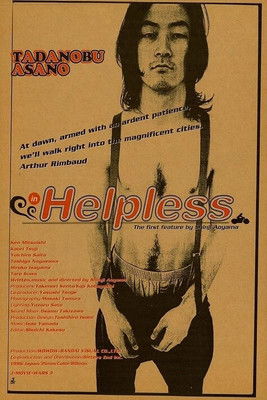
1996
1975
No reviews yet. Be the first to share your thoughts on this movie!
Use the rating form above to leave a star rating and optional review.