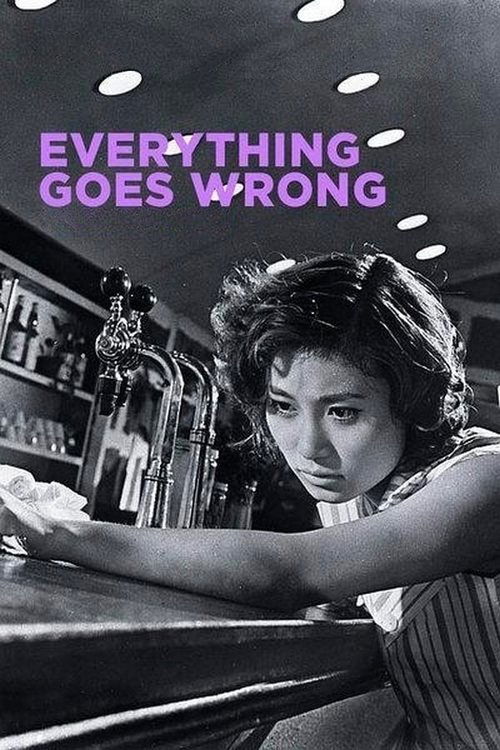
Everything Goes Wrong
1960
No user ratings available yet
Diversity score: 5.7 out of 10
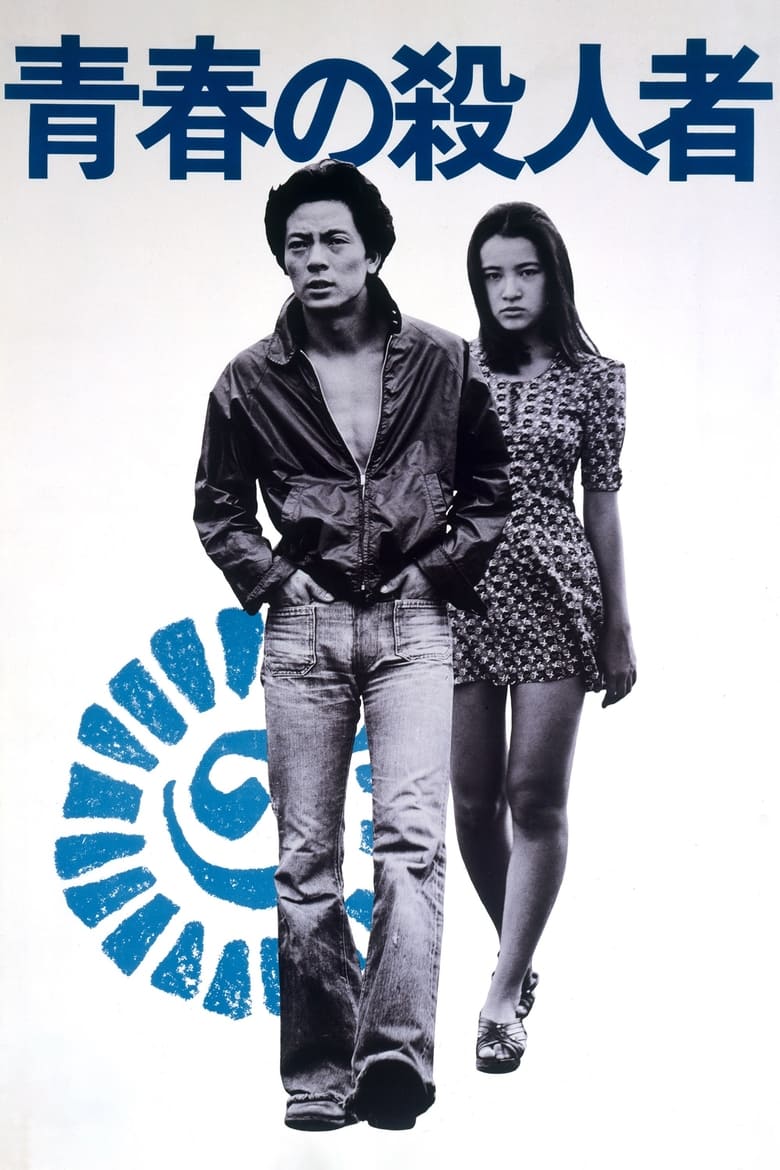
1976
Director
Kazuhiko Hasegawa
Runtime
132 minutes
Average Rating
No ratings yetSynopsis
Though his parents help him run the family business, Jun still feels persecuted by their love; when they bar him from meeting with his girlfriend, tensions increase.
Overall Score
Fair
Category Breakdown
LGBTQ+ Representation
The story centers on a heteronormative relationship between Jun and Keiko. There is no visible evidence of queer subtext or non-cisnormative identities in the narrative.
Gender Representation
The mother avoids traditional submissive tropes by exerting significant agency over the protagonist's actions. However, the core conflict is still driven by male-centric violence.
Racial & Ethnic Diversity
The film features a culturally homogeneous Japanese cast. It functions as a localized study of domestic social dynamics rather than exploring intersectional racial blending.
Religious & Cultural Diversity
The film radically challenges the sanctity of the nuclear family and filial piety. It replaces traditional morality with a focus on situational ethics and moral relativism.
Disability Representation
There is no discernible mention of characters with physical, neurodivergent, or mental health disabilities within the plot details.
Strengths
Areas for Improvement
AI Analysis
The film serves as a psychological study of alienation and the deconstruction of social structures. It prioritizes the breakdown of the family unit over traditional moralizing, using a violent rejection of authority to explore systemic tension. While the work lacks contemporary demographic markers like LGBTQ+ or multi-ethnic representation, it offers progressive value through its narrative subversion. It replaces the concept of the 'stable' family with a portrait of stifling, persecuting domesticity. Ultimately, the film's strength lies in its refusal to uphold conventional social hierarchies, opting instead for a gritty, morally ambiguous exploration of Japanese social dynamics.
1960

1960

1968

1967
2006

1960

1967
1991
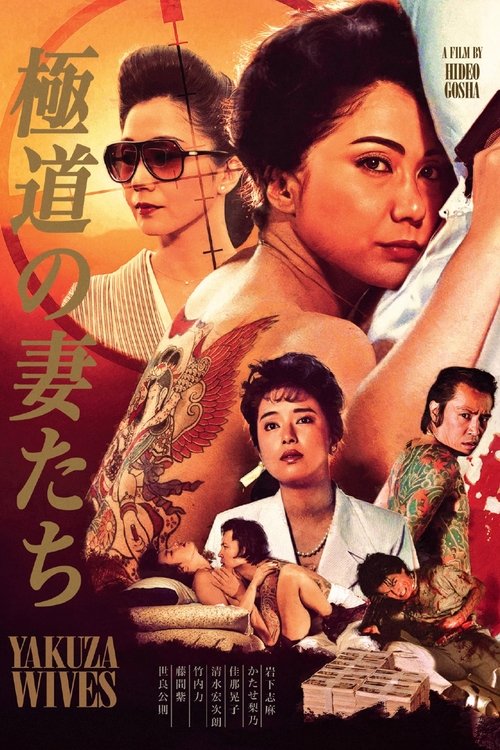
1986
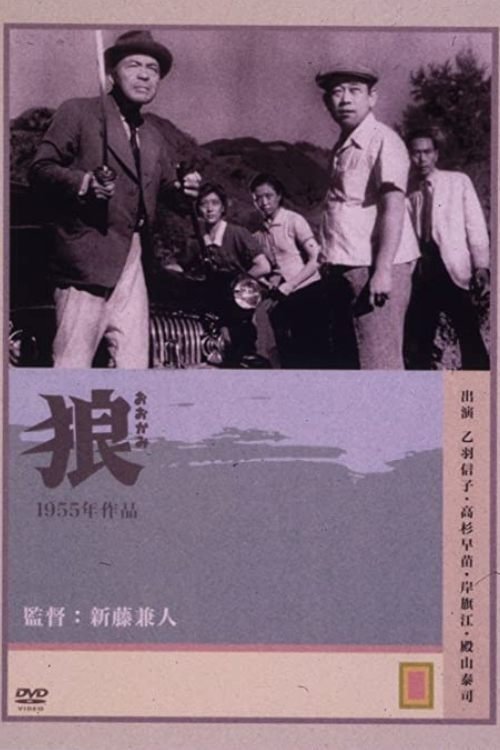
1955
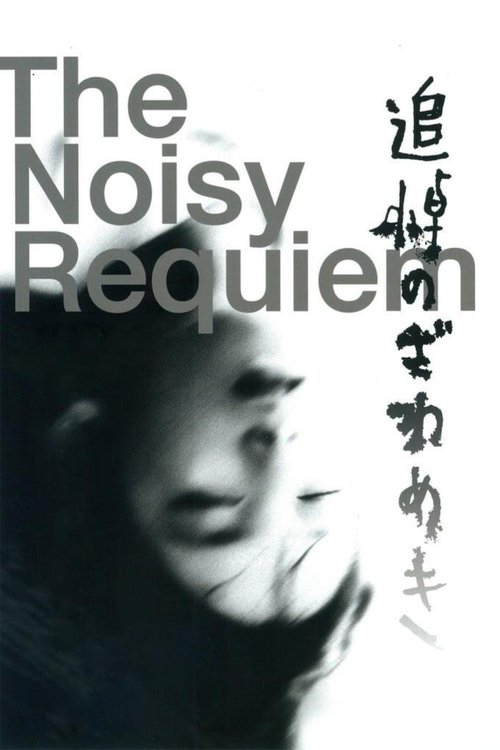
1988
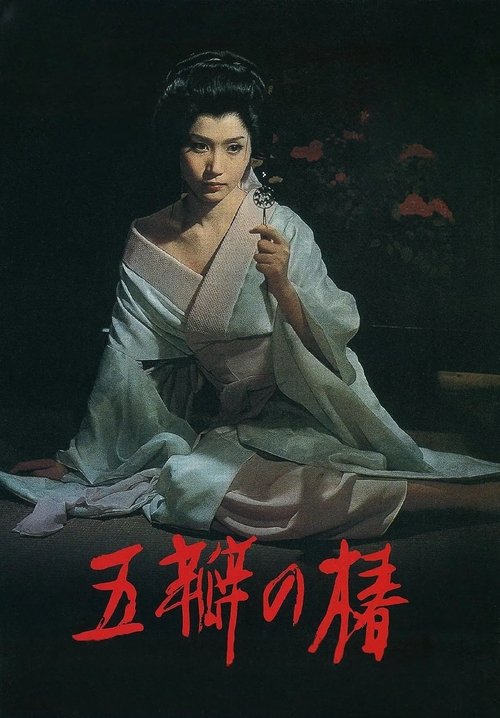
1964
No reviews yet. Be the first to share your thoughts on this movie!
Use the rating form above to leave a star rating and optional review.