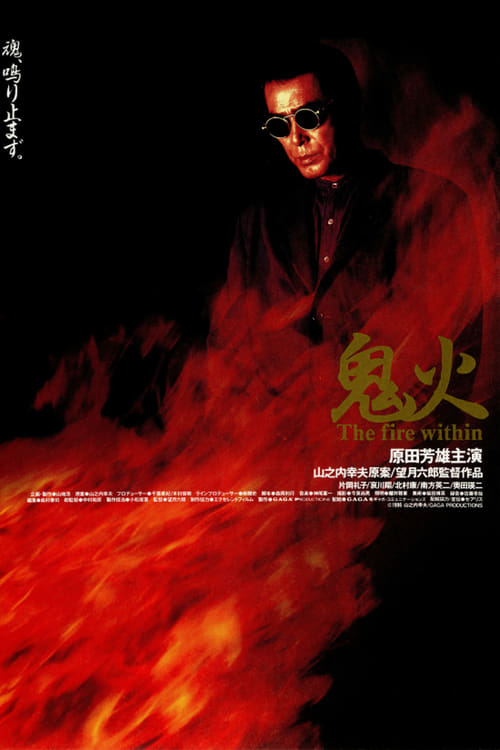
Onibi: The Fire Within
1997
No user ratings available yet
Representation score: 5.6 out of 10
Representation Score
Minimal
1995
Director
Rokurō Mochizuki
Runtime
105 minutes
Average Rating
No ratings yetNew Showbiz Analysis
Mochizuki’s film is a deep character study of isolation that emphasizes existential questions over social representation. It successfully dismantles the traditional heroic crime archetype, presenting a detached, postmodern view of violence and changing social structures. However, the film’s scope in terms of demographics is narrow, focusing almost entirely on a homogeneous social group. It offers little in the way of diverse identity representation. Ultimately, while the film provides a nuanced critique of masculine archetypes and institutional emptiness, it remains a focused exploration of the Japanese underworld with limited representation of broader human experiences.
Category Breakdown
The film does not include any LGBTQ+ characters or situations that go beyond straight relationships. The interpersonal dynamics focus on a traditional male protagonist and his interactions with women.
The story is dominated by male characters, with Tachibana's existential struggle being the main focus. Female characters are mainly used as emotional catalysts or victims of violence, rather than having their own significant roles in driving the plot.
The cast is largely made up of the same ethnicity, reflecting the specific social environment of the Yakuza and urban Japan. There is no diversity in terms of race or broader ethnic backgrounds.
The film provides a sophisticated look at the Yakuza honor codes and traditional social bonds. It breaks down the 'tough guy' stereotype through a lens of moral relativism.
There are no visible or hidden disabilities shown in the film. None of the characters have stories centered around physical impairments or neurodivergence.
Present on Screen
Limited or Absent
Official Synopsis
After serving ten years due to a drug-induced assassination of a rival gang boss, Tachibana enters a world that's nothing like it was when he went in. Once a respected and feared Yakuza mastermind, he now must try and adapt within the confines of the new generations vision of honor. As he still garners a somewhat decent amount of respect he just tries to get by. Hooking up with a prostitute he's been in passing by with he begins to feel some sense of comfort. Upon stumbling across her being beaten down by her pimp, Tachibana can't just sit by and do nothing. So he commences in putting down an old school Yakuza ass whipping, thus beginning a showdown with the 'now' boss, Sato.
1997

1964
1960
1997
1985
2018
1994
1974
No reviews yet. Be the first to share your thoughts on this movie!
Use the rating form above to leave a star rating and optional review.