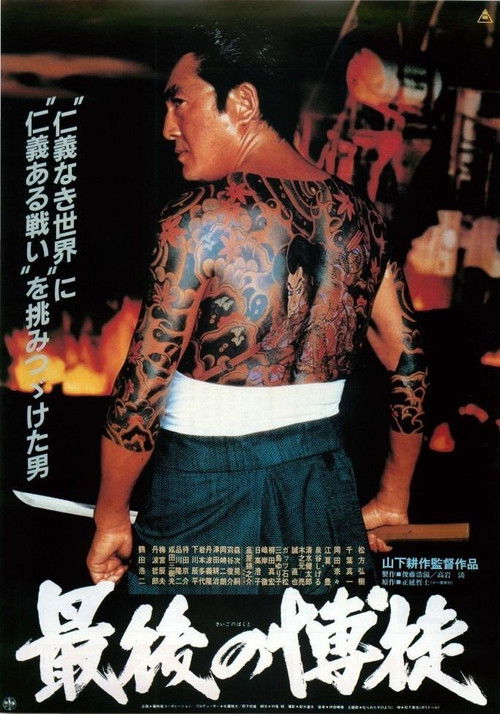
The Last True Yakuza
1985
No user ratings available yet
Representation score: 2.4 out of 10
Representation Score
Limited
1989
TV-MADirector
Taylor Wong Tai-Loi
Runtime
95 minutes
Average Rating
No ratings yetNew Showbiz Analysis
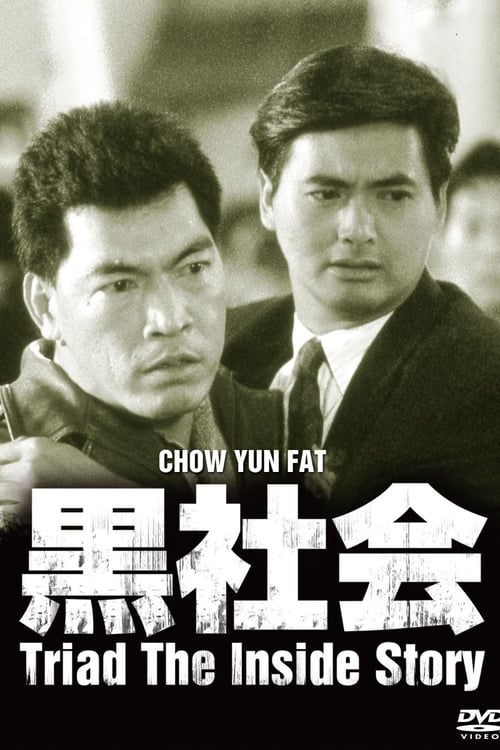
Triads: The Inside Story is a crime drama that emphasizes traditional masculine hierarchies. The plot centers on Li Man-Ho’s reluctant rise to leadership, a role defined by conventional clichés of authority and violence. This focus restricts the scope of gender diversity and multi-layered complexity. While the film offers a localized perspective on Hong Kong’s social landscape and the instability of systemic power, it remains culturally specific and ethnically homogeneous. It delves into the nuances of triad subculture without broadening its social critique. Overall, the film operates as a traditional piece of late-80s cinema. It lacks the intentional subversion of social norms or the representation of underrepresented identities necessary for a higher diversity score.
Category Breakdown
The film does not include any LGBTQ+ characters or narratives. It follows traditional, masculine-focused social structures typical of 1980s crime dramas.
The story revolves around a male-dominated hierarchy where men play a central role in driving the plot. Women have little influence over the story, reinforcing patriarchal structures through violent and authoritative clichés.
The cast is predominantly Chinese, focusing on a regional exploration of power dynamics and cultural nuances specific to Hong Kong.
The narrative examines the collapse of traditional institutions and family businesses, depicting a world where stability is undermined by betrayal and confusion.
The film does not feature any characters with visible or invisible disabilities. There is no mention of disability within the story.
Present on Screen
Limited or Absent
Official Synopsis
Li Man-Ho comes to Hong Kong after his father's death following a double crossed peace meeting at the hands of a rival gang. The family's business begins to crumble as rival organizations stir violence and trouble in acknowledgment of this weakness. Li Man-Ho reluctantly agrees after pressure from other members to temporarily act as leader in order to restore stability and order. But he is soon faced with violence, betrayal and confusion, in this world he tried so long to avoid.
1985

1995
2004
1999
1992
1974
1991

1994
No reviews yet. Be the first to share your thoughts on this movie!
Use the rating form above to leave a star rating and optional review.