
Red Peony Gambler: Gambler's Obligation
1968
No user ratings available yet
Representation score: 5.2 out of 10
Representation Score
Fair
1960
Not RatedDirector
Yasuzō Masumura
Runtime
96 minutes
Average Rating
No ratings yetNew Showbiz Analysis
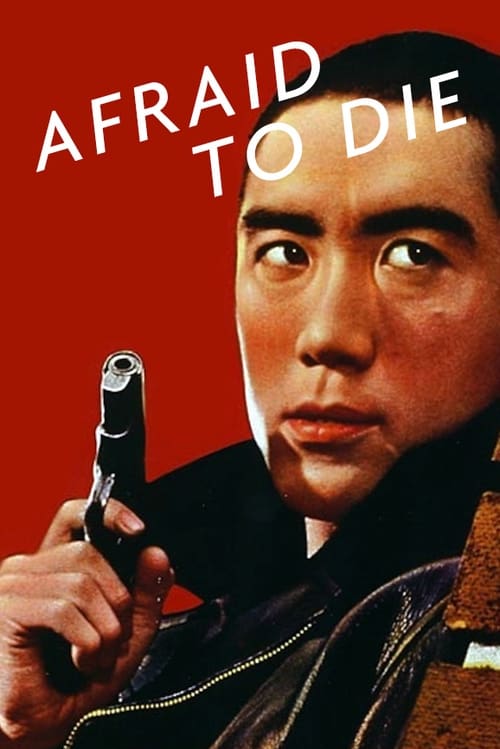
Afraid to Die serves as a character study that uses the Yakuza genre to challenge established social hierarchies. While the cast and setting are culturally specific and homogeneous, the film's strength lies in its thematic subversion of patriarchal expectations. The narrative emphasizes individual ability to act over inherited roles. By having the brothers reject their father's criminal empire, the film critiques the oppressive nature of traditional institutional power and systemic loyalty. However, the film remains limited by the demographic constraints of its era. It lacks representation for LGBTQ+ identities and disability, and the primary ability to act remains concentrated among male leads.
Category Breakdown
The film does not include any explicit representation of LGBTQ+ identities or same-sex relationships. The story focuses on the bond between brothers and their struggle against organized crime.
The story revolves around a male-dominated Yakuza organization. However, the main characters actively reject traditional masculine roles and patriarchal succession to break free from their father's criminal legacy.
As a 1960 Japanese production, the film provides a non-Western perspective. While the cast is ethnically uniform, it avoids the white-centric lens common in Western cinema of the time.
The film challenges traditional Japanese social structures by portraying the Yakuza clan as a burden. It critiques systemic criminal hierarchies and traditional loyalty through the protagonists' quest for autonomy.
There is no mention of characters with visible or invisible disabilities within the narrative.
Present on Screen
Limited or Absent
Official Synopsis
On his release from prison a young yakuza, along with his brother, decides to turn his back on criminal life instead of taking over the position of his recently deceased father, boss of the Asahina clan. But their exit proves more difficult than planned when their rival clan steps in to exact revenge.
1968

1964
1985

1960
1995
1974
1967

1994
No reviews yet. Be the first to share your thoughts on this movie!
Use the rating form above to leave a star rating and optional review.