Irene
1940
No user ratings available yet
Representation score: 0.4 out of 10
Representation Score
Minimal
1937
NRDirector
Irving Cummings
Runtime
109 minutes
Average Rating
No ratings yetNew Showbiz Analysis
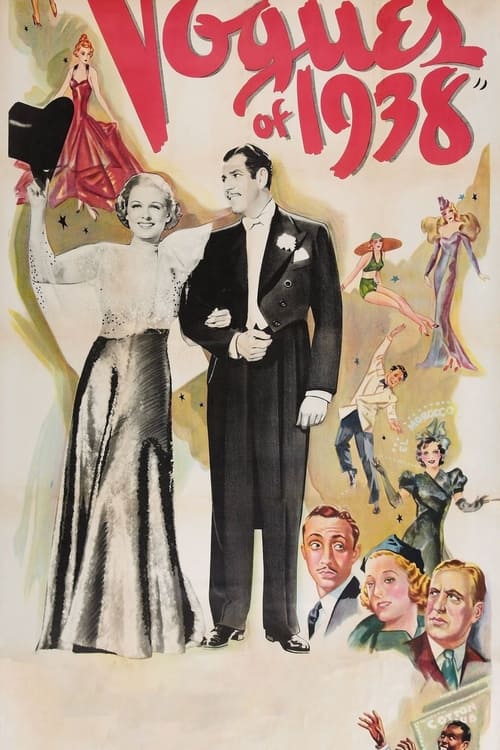
Vogues of 1938 presents a polished reflection of the socio-economic status quo of the 1930s, emphasizing escapism and reinforcing contemporary social hierarchies through its focus on high-society fashion and glamour. The narrative structure upholds traditional gender roles and Western aesthetic standards, validating the prestige of the fashion industry and capitalist structures of the era. Ultimately, the film lacks the intention to disrupt conventional social expectations, providing a period-typical experience centered on class stability and romantic tensions.
Category Breakdown
The film follows a strictly straight-centered perspective, typical of its time, with no representation of LGBTQ+ identities or same-sex relationships.
The movie reinforces traditional gender roles through a male-centric storyline where women's roles are often defined by amusement rather than professional goals.
The cast is predominantly white and focuses on high society, reflecting Anglo-centric beauty and social standards.
The film highlights Western consumerism and the prestige of the fashion industry, emphasizing the stability of upper-class social structures.
There are no characters with visible or invisible disabilities, nor any representation of neurodivergence or physical disabilities.
Present on Screen
Limited or Absent
Official Synopsis
An early Technicolor musical that concentrates on the fashions of the late 1930s, this film was reissued under the title All This and Glamour Too. The top models of the era, including several who are advertising household products, are in the cast. The plot centers around a chic boutique, whose owner, George Curson (Warner Baxter), tries hard to please his customers while keeping peace with his unhappy wife. A wealthy young woman, Wendy Van Klettering (Joan Bennett), decides to take a job as a model at the fashion house, just to amuse herself, but her presence annoys Curson, who must put together the best possible show to compete with rival fashion houses at the Seven Arts Ball. The film includes several hit songs, including the Oscar-nominated "That Old Feeling" by Sammy Fain and Lew Brown.
1940
1933
1933
1948
1934

1953
1936
1935
No reviews yet. Be the first to share your thoughts on this movie!
Use the rating form above to leave a star rating and optional review.