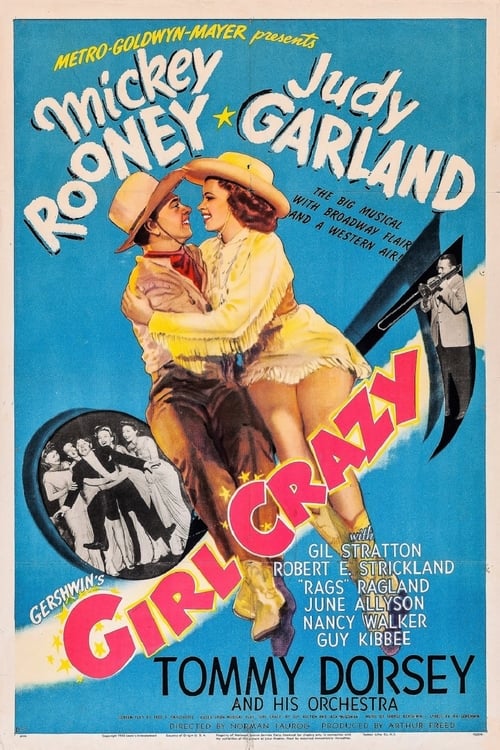
Girl Crazy
1943
No user ratings available yet
Diversity score: 1.4 out of 10
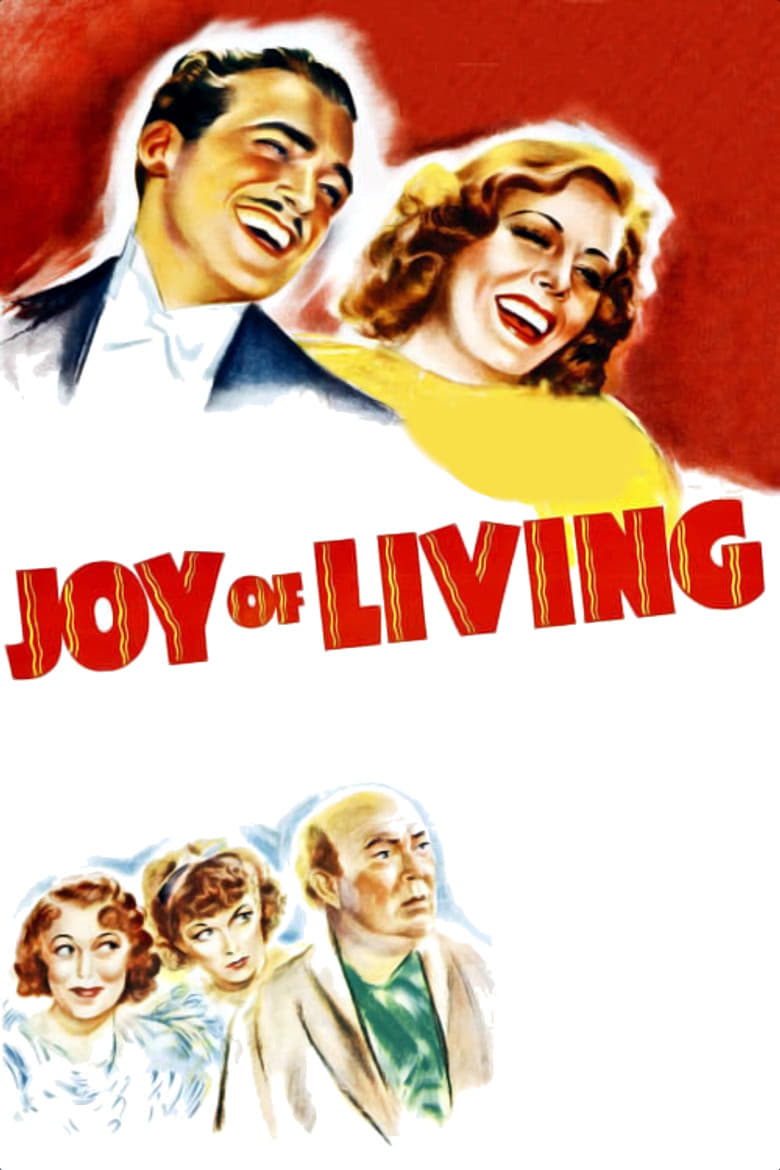
1938
NRDirector
Tay Garnett
Runtime
91 minutes
Average Rating
No ratings yetSynopsis
Falling in love with the voice of Broadway chanteuse Margaret Garret, cocksure young tycoon Daniel Brewster decides to rescue the star from her hectic lifestyle of frenzied fans and mooching relatives. When Margaret has her ardent suitor arrested, the judge appoints her as Daniel's probation officer, forcing the duo to spend time together. As Daniel teaches Margaret to let her hair down and enjoy life, she begins to fall for her fun-loving admirer.
Overall Score
Minimal
Category Breakdown
LGBTQ+ Representation
The film lacks any evidence of LGBTQ+ characters or non-cisnormative identities. The story follows a traditional romantic trajectory between a male tycoon and a female star.
Gender Representation
While Margaret Garret shows professional agency as a Broadway star, the plot relies on the male protagonist acting as her rescuer. This reinforces conventional gendered archetypes of the era.
Racial & Ethnic Diversity
The Broadway-centric setting features no indication of a non-white or non-Anglo-Saxon majority cast. The narrative focus remains strictly on the socioeconomic status of the protagonists.
Religious & Cultural Diversity
The story operates within traditional Western romantic ideals and celebrates capitalist success through the tycoon archetype. It does not seek to deconstruct or critique social institutions.
Disability Representation
There is no mention of characters with visible or invisible disabilities. The narrative does not include neurodivergent individuals or depictions of chronic illness.
Strengths
Areas for Improvement
AI Analysis
Joy of Living is a quintessential product of the 1930s studio system, prioritizing established social hierarchies over narrative subversion. The film centers on a conventional romantic union that reinforces the period's standard gender roles and socioeconomic archetypes. While the female lead possesses professional success, the plot structure positions the male lead as a stabilizing force meant to rescue her. This dynamic, combined with a lack of racial or LGBTQ+ representation, results in a narrow, traditionalist perspective. Ultimately, the film functions as a standard romantic comedy that celebrates conventional success and traditional romantic trajectories without challenging the status quo.
1943

1947
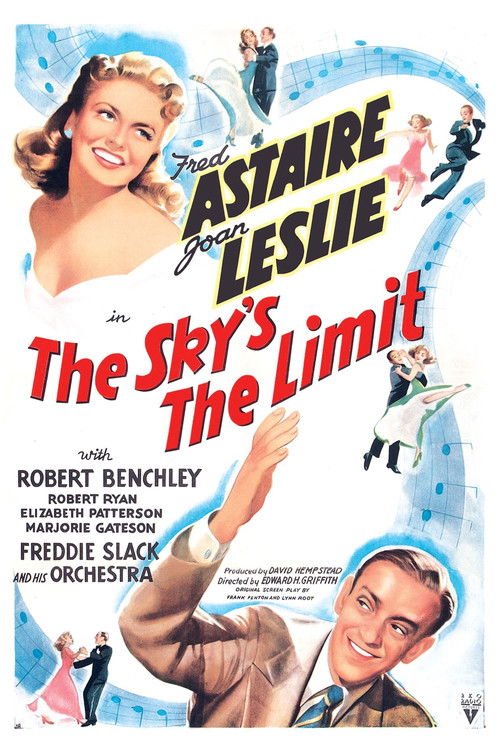
1943
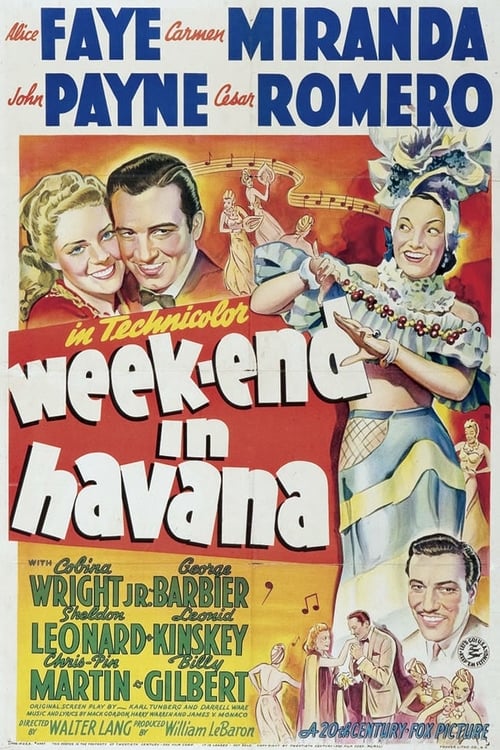
1941
1936

1939
No reviews yet. Be the first to share your thoughts on this movie!
Use the rating form above to leave a star rating and optional review.