
The Life of the Party
1930
No user ratings available yet
Representation score: 1.4 out of 10
Representation Score
Minimal
1937
ApprovedDirector
Marion Gering
Runtime
77 minutes
Average Rating
No ratings yetNew Showbiz Analysis
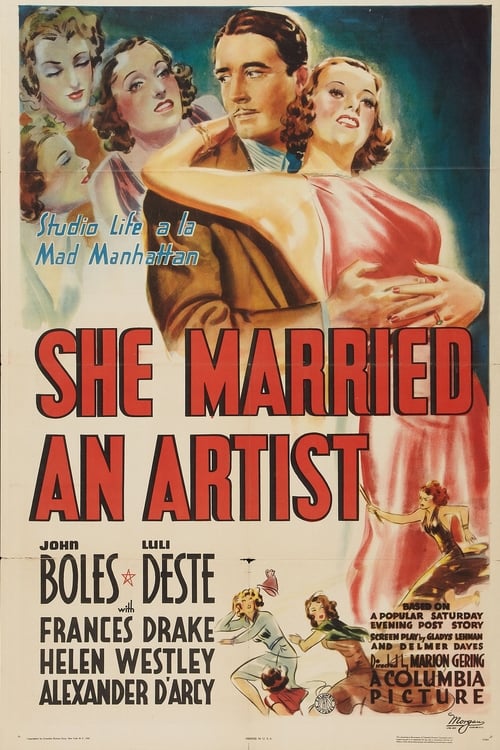
She Married an Artist is a conventional 1930s romantic comedy that adheres strictly to the social hierarchies and narrative clichés of its era. The plot prioritizes established domestic archetypes over any meaningful social critique or complexity in representation. The film functions within standard commercial frameworks, focusing on a restorative arc centered on marriage and romantic reconciliation. It lacks intentional disruption of traditional norms, reflecting the era's typical focus on the nuclear family. Ultimately, the work serves as a period piece that reinforces existing social structures rather than challenging them through diverse representation or progressive storytelling.
Category Breakdown
The film focuses on a traditional romantic conflict involving marriage and a third party. There is no evidence of non-binary or transgender identities, nor any critique of the assumption that everyone is straight.
The narrative centers on a domestic dispute triggered by a male protagonist's professional preoccupation. While Toni seeks legal retribution, the conflict reinforces traditional gender roles and perceptions of infidelity and domestic stability.
The film likely reflects the homogeneous casting standards of the 1930s Hollywood studio system. There is no evidence of a diverse cast representing different racial backgrounds.
Themes appear rooted in the preservation of the nuclear family and traditional marital bonds. The narrative follows a standard restorative arc typical of the period.
There is no evidence to suggest the inclusion of characters with visible or invisible disabilities.
Present on Screen
Limited or Absent
Official Synopsis
Because Thornwood's portraits of comely model Sally Dennis are in such great demand, he is obliged to spend virtually all his time with Sally, which prompts Toni to seek retribution in divorce court.
1930

1933

1940

1942
1949
1936
1936

1937
No reviews yet. Be the first to share your thoughts on this movie!
Use the rating form above to leave a star rating and optional review.