
Three Smart Girls Grow Up
1939
No user ratings available yet
Representation score: 0.8 out of 10
Representation Score
Minimal
1936
NRDirector
Henry Koster
Runtime
84 minutes
Average Rating
No ratings yetNew Showbiz Analysis
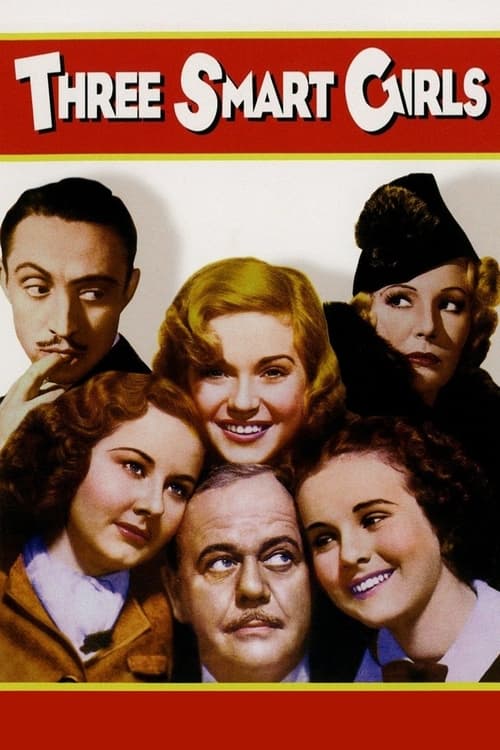
Three Smart Girls is a classic example of 1930s musical comedy, prioritizing escapism over social critique. While the film provides more ability to act to its female protagonists compared to many contemporary works, it remains firmly rooted in traditional values. The narrative centers on a narrow, upper-class social stratum that lacks racial or ethnic diversity. It serves as a celebration of socioeconomic privilege and conventional romantic resolutions rather than a critique of social hierarchies. Ultimately, the film's strength lies in its character-driven plot led by the sisters, but its lack of representation across most identity categories limits its diversity.
Category Breakdown
The film relies entirely on heterosexual relationships and does not include any LGBTQ+ identities or same-sex intimacy.
The three Craig sisters play key roles in the story, using their social intelligence to influence adult characters and taking more control than typical passive female leads.
The cast is mainly white, reflecting the homogeneous demographics of 1930s Hollywood. The story lacks diverse cultural perspectives and racial diversity.
The story celebrates the lifestyle and traditions of the wealthy elite, reinforcing traditional Western social structures and romanticizing high-society luxury.
There are no visible or invisible disabilities shown. Characters are presented through a lens of physical and social vitality typical of musical comedies.
Present on Screen
Limited or Absent
Official Synopsis
The three Craig sisters – Penny, Kay, and Joan – go to New York to stop their divorced father from marrying gold digger Donna Lyons and reunite him with their mother.
1939
1939

1930
1941
1943

1934
1944
1937
No reviews yet. Be the first to share your thoughts on this movie!
Use the rating form above to leave a star rating and optional review.