The Big Broadcast of 1937
1936
No user ratings available yet
Representation score: 0.7 out of 10
Representation Score
Minimal
1942
PassedDirector
Harold Young
Runtime
61 minutes
Average Rating
No ratings yetNew Showbiz Analysis
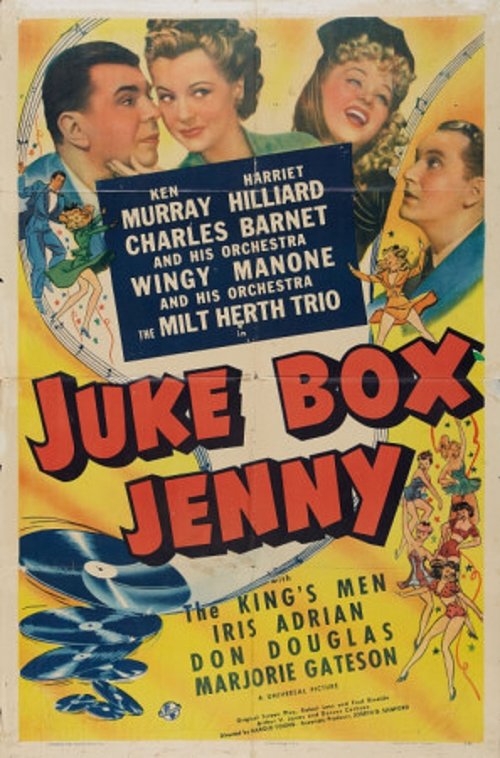
Juke Box Jenny is a standard 1942 musical comedy that adheres strictly to the social and cultural norms of its era. The narrative structure reinforces traditional hierarchies of gender and commerce rather than challenging them. While the tension between classical and swing music hints at broader cultural influences, the film treats this as a matter of commercial competition. It lacks the complexity or intentional subversion of clichés necessary for a higher diversity rating. Ultimately, the film functions as a conventional studio product, focusing on professional struggles and romantic complications within a predominantly white, Western framework.
Category Breakdown
The film focuses on a traditional romantic relationship between a male protagonist and his fiancée. It does not include any non-straight or non-cisgender identities or narratives that challenge the assumption that everyone is straight or cisgender.
Women primarily serve as romantic interests or catalysts for the male lead's professional progress. While Jinx Corey shows some control over her actions, the central conflict remains driven by the male character.
The plot centers on a clash between classical and swing music, touching on racialized musical traditions. However, the film lacks characters of color with significant roles.
The story operates within a standard Western capitalist framework focused on salesmanship and commercial competition. It reinforces the era's social structures regarding family and professional stability.
There is no evidence of characters with visible or invisible disabilities within the narrative.
Present on Screen
Limited or Absent
Official Synopsis
Roger Wadsworth is a salesman for a company that supplies jukeboxes with classical music recordings, as Mrs. Horton, chief stockholder of the company hates swing music. Because of that, and the fact that Mrs. Horton is the mother of his fiancée, Genevieve Horton, Roger can only sit by and watch the competitors, who sell swing-and-jive music records get most of the business. Some of the other salesmen play a joke on Roger by getting Charlie Barnet and his orchestra to make a recording which they slip into Roger's packet marked as classical. They also get showgirl Jinx Corey to tell the newspapers that she and Roger are married. Malcolm Hammond goes to Genevieve to plead Roger's case, and tricks her into making a recording as "Jukebox Jenny." This leads to further complications.
1936
1933
1944
1935
1943
1946
1933
1941
No reviews yet. Be the first to share your thoughts on this movie!
Use the rating form above to leave a star rating and optional review.