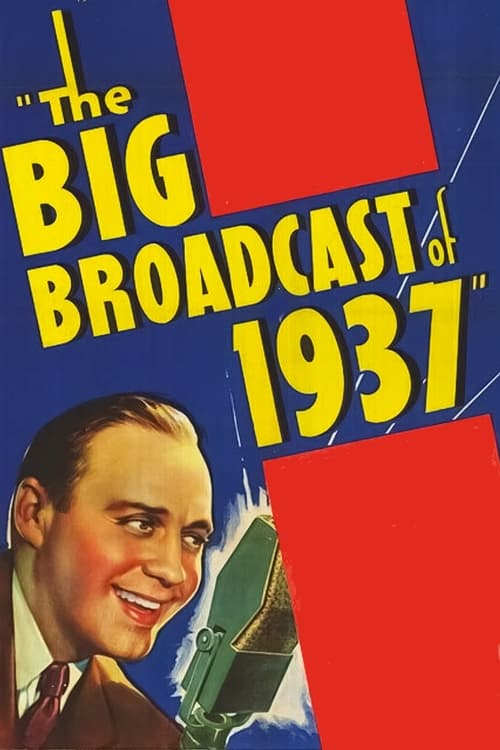
The Big Broadcast of 1937
1936
No user ratings available yet
Representation score: 0.7 out of 10
Representation Score
Minimal
1933
NRDirector
Robert Z. Leonard
Runtime
92 minutes
Average Rating
No ratings yetNew Showbiz Analysis
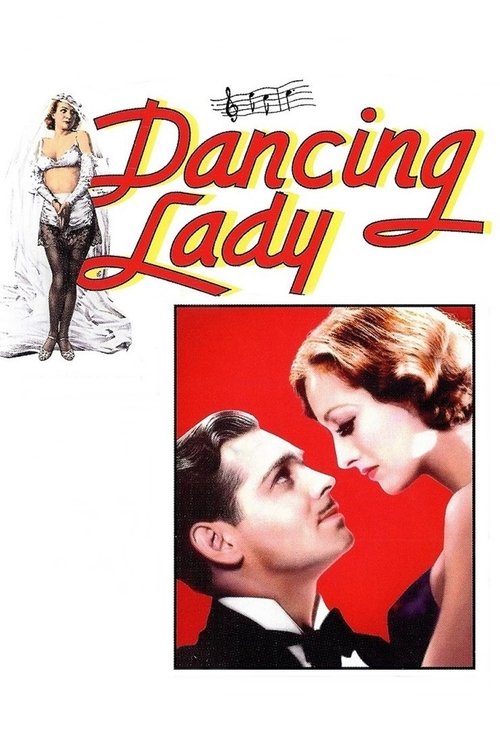
Dancing Lady is a typical product of the 1930s studio system, emphasizing escapist musical comedy over social critique. While the protagonist displays personal ambition through her career, her success is tied to male support and traditional romantic ideals. The film upholds the social hierarchies of its time. It portrays a white-dominated Broadway environment and adheres to conventional gender clichés where female ambition is viewed through the lens of male skepticism or support. Overall, the narrative does not intentionally address multiple layers of identity, focusing instead on individual success within established, homogeneous social frameworks.
Category Breakdown
The film focuses on heterosexual relationships and does not include any characters with non-cisgender identities or same-sex relationships.
Janie shows professional ambition, but her success is closely tied to male figures. The narrative tension revolves around how male characters perceive her value and utility.
The cast is homogeneous, reflecting the casting standards of the 1930s. There are no characters of color in prominent roles.
The story is set within a traditional Western capitalist framework centered on stardom. It does not question the morality of these institutions or challenge societal values.
The film does not depict any characters with physical or neurodivergent disabilities.
Present on Screen
Limited or Absent
Official Synopsis
Janie lives to dance and will dance anywhere, even stripping in a burlesque house. Tod Newton, the rich playboy, discovers her there and helps her get a job in a real Broadway musical being directed by Patch. Tod thinks he can get what he wants from Janie, Patch thinks Janie is using her charms rather than talent to get to the top, and Janie thinks Patch is the greatest. Steve, the stage manager, has the Three Stooges helping him manage all the show girls. Fred Astaire and Nelson Eddy make appearances as famous Broadway personalities.
1936
1933
1943
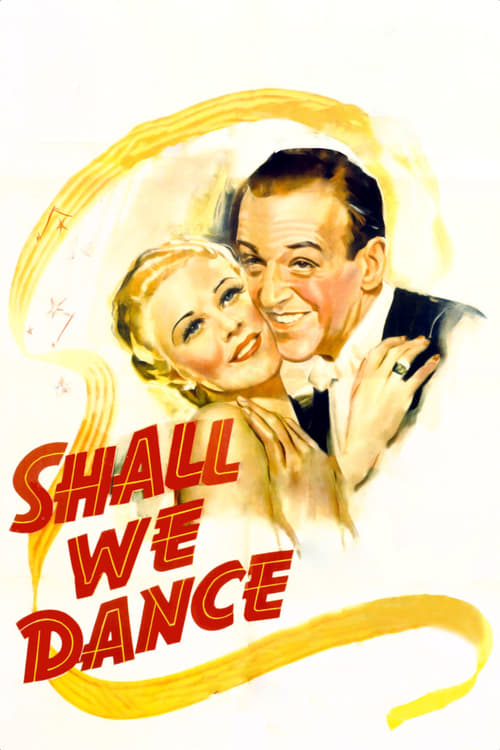
1937
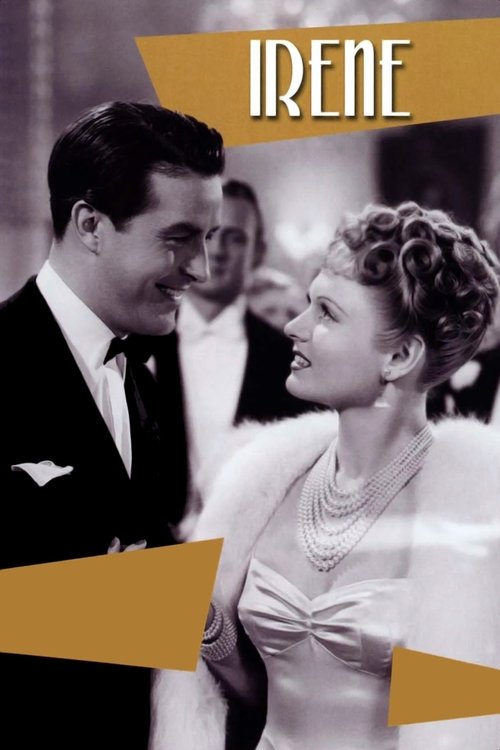
1940
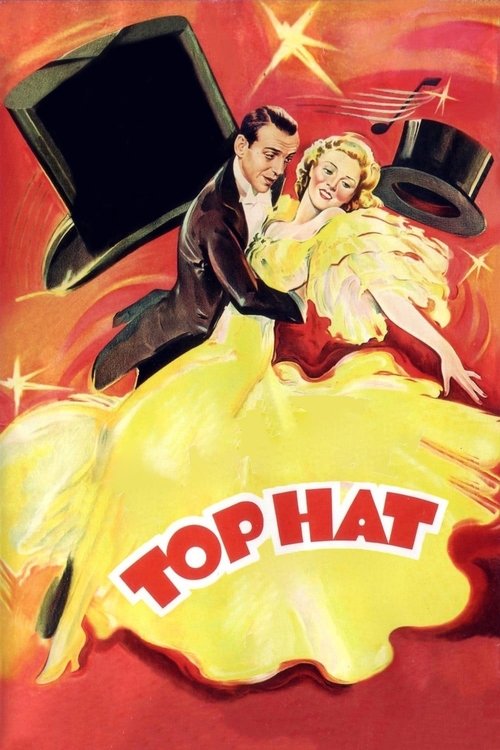
1935

1930
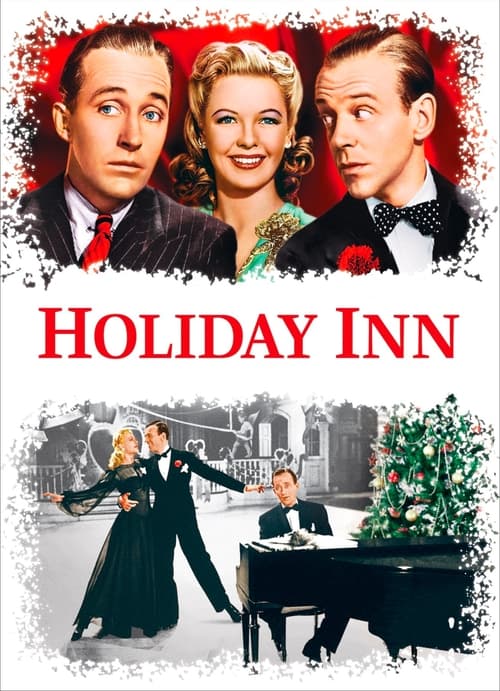
1942
No reviews yet. Be the first to share your thoughts on this movie!
Use the rating form above to leave a star rating and optional review.