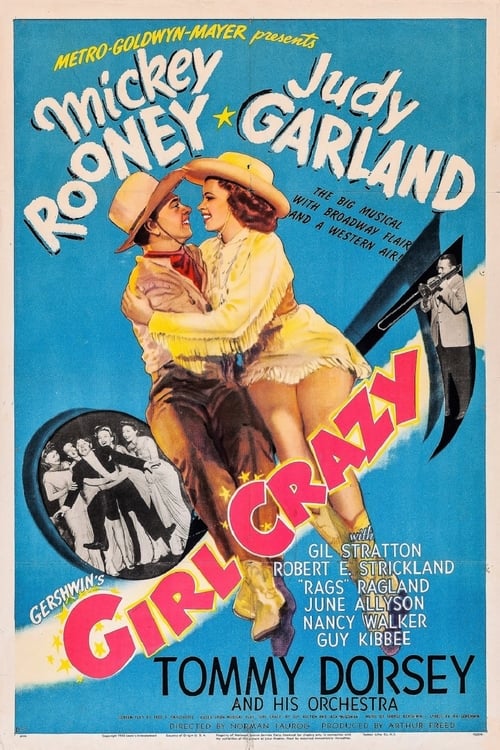
Girl Crazy
1943
No user ratings available yet
Representation score: 0.4 out of 10
Representation Score
Minimal
1934
NRDirector
Joe May
Runtime
85 minutes
Average Rating
No ratings yetNew Showbiz Analysis
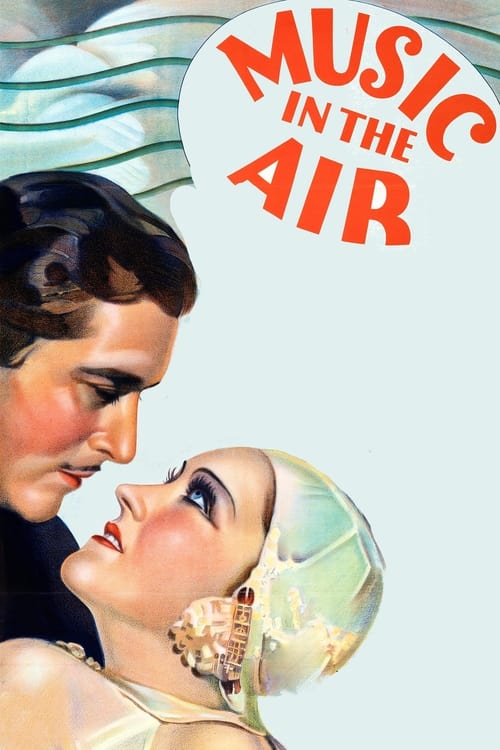
Music in the Air is a quintessential product of the 1930s studio system, designed for escapism rather than social commentary. The narrative reinforces established social norms and traditional romantic hierarchies through its focus on operetta-style entertainment. The film lacks intentionality regarding identity, serving as a reflection of the period's standard cultural and social constraints. It functions as a traditional piece of media that avoids challenging the status quo of gender, race, or class.
Category Breakdown
The film follows traditional romantic structures and lacks non-binary gender identities or queer narratives, sticking closely to heterosexual and cisgender storylines.
A female protagonist drives the musical performances, but her role is limited to professional talent and romantic pursuits, not challenging patriarchal structures.
The production reflects the era's tendency toward white-dominated casting, with no significant racial blending or characters of color having substantial influence.
The film serves as escapist media that upholds stable, aspirational socioeconomic settings. It avoids critiques of Western institutions, favoring a cohesive and traditional narrative.
There is no evidence of characters with physical or neurodivergent disabilities. No such figures appear as central characters or secondary plot devices.
Present on Screen
Limited or Absent
Official Synopsis
A songwriter's young daughter (June Lang) begins to dream of stardom when she's offered the lead role in a new operetta.
1943
1939
1936

1930
1935
1936
1934
1933
No reviews yet. Be the first to share your thoughts on this movie!
Use the rating form above to leave a star rating and optional review.