
From Here to Eternity
1953
No user ratings available yet
Representation score: 3.4 out of 10
Representation Score
Limited
1957
ApprovedDirector
Joshua Logan
Runtime
147 minutes
Average Rating
No ratings yetNew Showbiz Analysis
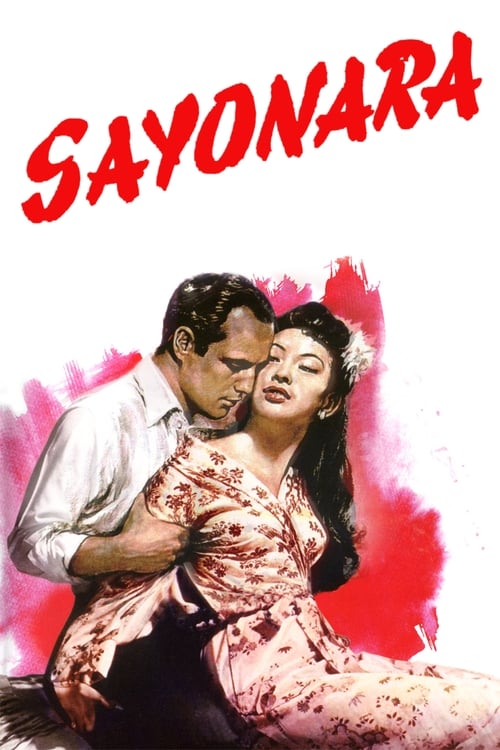
Sayonara stands out for its boldness in addressing interracial intimacy and systemic racial prejudice during a period of intense segregation. By focusing on a romance between an American officer and a Japanese woman, the film challenges the homogeneous casting and social hierarchies typical of 1950s Hollywood. However, the film adheres to mid-century gendered storytelling clichés. The narrative often centers on the male protagonist's struggles with military policies, maintaining a traditional male-centric perspective. Ultimately, the film's strength lies in its sophisticated critique of the occupying force's racial barriers, even while upholding conventional mid-century gender dynamics.
Category Breakdown
The film does not include any LGBTQ+ characters. All romantic tensions are confined to heterosexual relationships, specifically interracial ones.
The story focuses on the male protagonist's professional and moral struggles. Although the female lead has emotional depth, the narrative is centered around the male perspective of military regulations.
The film breaks 1950s casting norms by highlighting an interracial romance. It gives Japanese characters rich emotional lives instead of portraying them merely as background figures.
The narrative criticizes Western institutionalism and the racial biases of the US military occupation. It depicts Western social structures as oppressive forces that characters must confront.
There are no significant representations of physical or neurodivergent disabilities in the main storyline.
Present on Screen
Limited or Absent
Official Synopsis
Air Force Major Lloyd Gruver is reassigned to a Japanese air base and is confronted with US racial prejudice against the Japanese people. The issue is compounded because a number of the soldiers become romantically involved with Japanese women, in defiance of US military policy. Ordinarily, a by-the-book officer, Gruver must take a position when a buddy of his, an enlisted man, Joe Kelly, falls in love with a Japanese woman, Katsumi, and marries her. Gruver risks his position by serving as best man at the wedding ceremony.
1953

1960
1947

1955

1995
1958
1967
1949
No reviews yet. Be the first to share your thoughts on this movie!
Use the rating form above to leave a star rating and optional review.