
Romeo and Juliet
1968
No user ratings available yet
Representation score: 3.4 out of 10

Representation Score
Fair
1970
PGDirector
Arthur Hiller
Runtime
100 minutes
Average Rating
No ratings yetNew Showbiz Analysis
Love Story is a period-specific melodrama that prioritizes the deconstruction of class hierarchies over demographic breadth. While it lacks diverse representation, it subverts traditional social expectations by centering a romance that defies institutional wealth and lineage. The film's strength lies in its characterization of Jennifer, who plays a significant role in driving the story despite the tragic narrative arc. However, the setting remains socially homogeneous, focusing almost exclusively on Anglo-Saxon class distinctions. Ultimately, the film functions as a critique of rigid, class-based capitalism and the destructive nature of preserving systemic status at the expense of human connection.
Category Breakdown
There are no visible LGBTQ+ characters or explorations of non-straight identities in the film. The story focuses solely on heterosexual relationships.
Jennifer Cavilleri is shown as an assertive, independent music student who plays a significant role in driving the story forward. She challenges the male protagonist’s traditional family expectations.
The casting and setting reflect the homogeneous society of 1970s New England academic circles. The story does not include any racial or ethnic diversity.
The film criticizes traditional Western institutions and the concept of the 'dynastic family.' It portrays 'old money' values as cold and exclusionary compared to personal autonomy.
The story features a central depiction of terminal illness through leukemia. Jennifer maintains her intellectual identity throughout her struggle, avoiding a purely passive victim role.
Present on Screen
Limited or Absent
Official Synopsis
Harvard Law student Oliver Barrett IV and music student Jennifer Cavilleri share a chemistry they cannot deny - and a love they cannot ignore. Despite their opposite backgrounds, the young couple put their hearts on the line for each other. When they marry, Oliver's wealthy father threatens to disown him. Jenny tries to reconcile the Barrett men, but to no avail.
1968

1955

2014
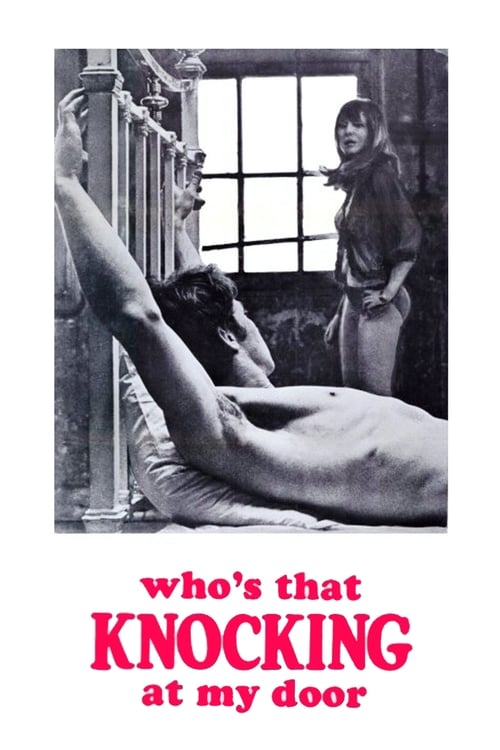
1968
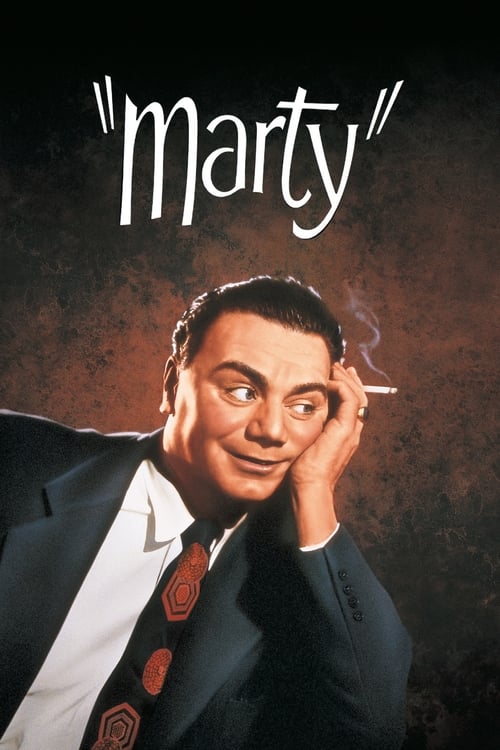
1955
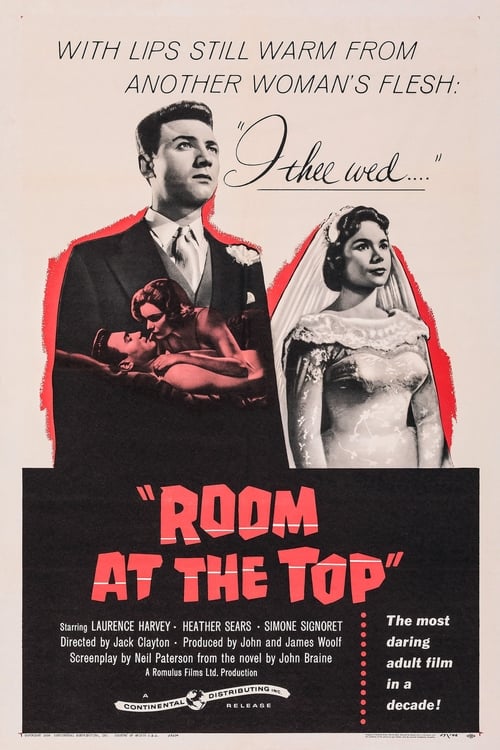
1958

1993
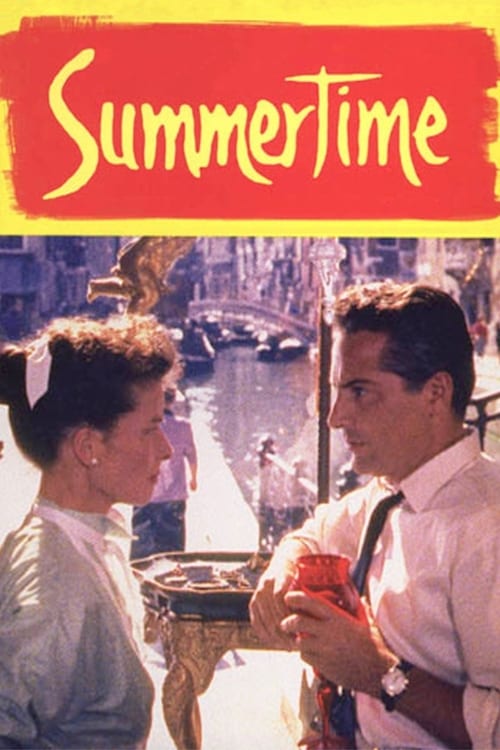
1955
No reviews yet. Be the first to share your thoughts on this movie!
Use the rating form above to leave a star rating and optional review.