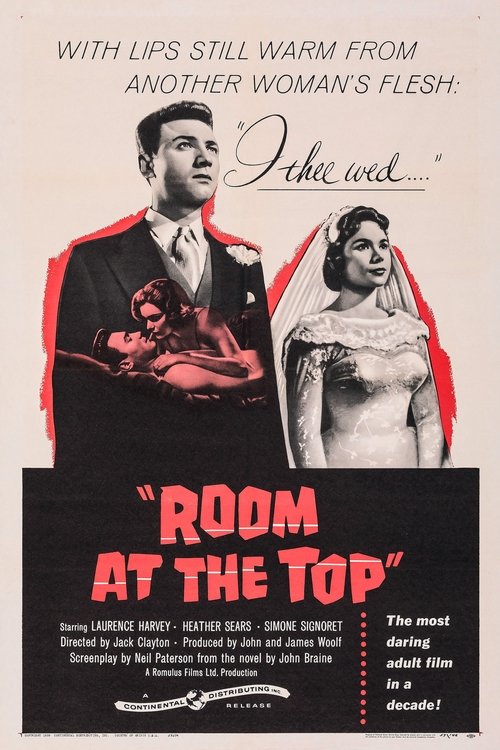
Room at the Top
1958
No user ratings available yet
Representation score: 2.6 out of 10

Representation Score
Limited
1955
ApprovedDirector
Douglas Sirk
Runtime
89 minutes
Average Rating
No ratings yetNew Showbiz Analysis
Douglas Sirk’s melodrama serves as a sophisticated critique of mid-century social structures. While the film lacks modern demographic diversity in terms of race and sexual orientation, it excels in highlighting the psychological toll of maintaining social status. The narrative emphasizes personal liberation over preserving traditional Western hierarchies. It uses the tension between individual freedom and class-based oppression to challenge the sanctity of the idealized American family.
Category Breakdown
The film does not include any LGBTQ+ characters or non-straight identities. The romantic storyline focuses solely on a heterosexual relationship.
Cary Scott's actions challenge traditional gender roles as she seeks personal fulfillment. The film highlights women's ability to drive the story and resist patriarchal control.
The film is set in a predominantly white, upper-class neighborhood with little racial or ethnic diversity among the main characters and surroundings.
The story criticizes Western institutions by showing the nuclear family and capitalist systems as oppressive forces. It portrays social gatekeepers as enforcers of conformity.
There are no significant representations of visible or invisible disabilities within the main storyline.
Present on Screen
Limited or Absent
Official Synopsis
Two different social classes collide when Cary Scott, a wealthy upper-class widow, falls in love with her much younger and down-to-earth gardener, prompting disapproval and criticism from her children and country club friends.
1958
1961

1990

1945

1970

1937

1959

1957
No reviews yet. Be the first to share your thoughts on this movie!
Use the rating form above to leave a star rating and optional review.