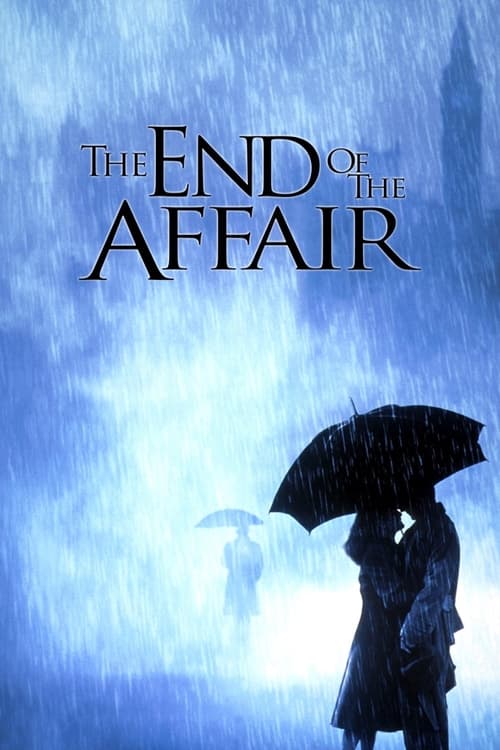
The End of the Affair
1999
No user ratings available yet
Representation score: 2.1 out of 10
Representation Score
Fair
1988
RDirector
Philip Kaufman
Runtime
171 minutes
Average Rating
No ratings yetNew Showbiz Analysis
The film contrasts its limited demographic range with a progressive narrative approach. Despite its homogeneous cast due to its historical and geographic context, the storytelling avoids traditional clichés. Gender dynamics are nuanced, moving away from submissive female roles toward characters defined by autonomy and intellectual struggle. The male protagonist is depicted through emotional instability rather than traditional strength. Culturally, the film is sophisticated, using the Soviet invasion to critique institutional power. It shifts from rigid moral structures to a postmodern focus on individual existential choice.
Category Breakdown
The film centers on heterosexual relationships and explores emotional flexibility but does not prominently feature non-binary identities or same-sex intimacy.
Female characters are shown with significant psychological independence. Sabina acts as an independent force of chaos, while Tereza is characterized by intellectual complexity rather than submissive roles.
Given its European setting, the cast remains predominantly homogeneous. The narrative focuses on the experiences of the Czech intelligentsia in Switzerland.
The film excels in critiquing totalitarian institutions and traditional Western morality. It emphasizes individual liberation and a nuanced rejection of state-imposed moral absolutes.
The film does not include characters with visible or invisible disabilities.
Present on Screen
Limited or Absent
Official Synopsis
Successful surgeon Tomas leaves Prague for an operation, meets a young photographer named Tereza, and brings her back with him. Tereza is surprised to learn that Tomas is already having an affair with the bohemian Sabina, but when the Soviet invasion occurs, all three flee to Switzerland. Sabina begins an affair, Tom continues womanizing, and Tereza, disgusted, returns to Czechoslovakia. Realizing his mistake, Tomas decides to chase after her.
1999

1945
1986
1945
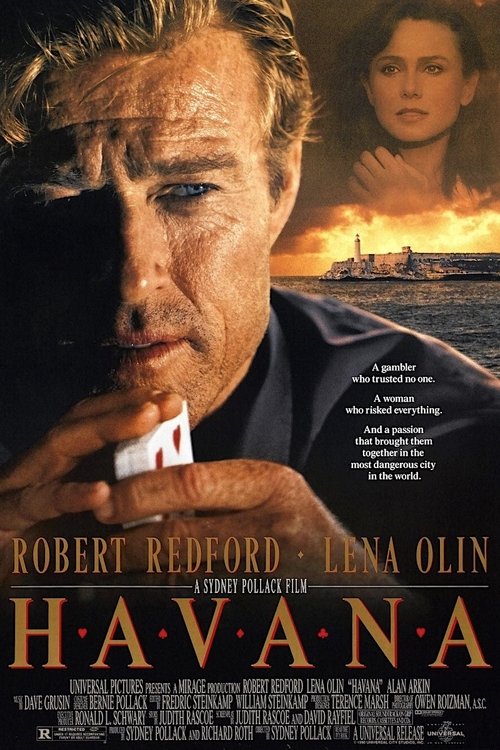
1990

1993

1990

1990
No reviews yet. Be the first to share your thoughts on this movie!
Use the rating form above to leave a star rating and optional review.