Shadows
1960
No user ratings available yet
Representation score: 6.5 out of 10
Representation Score
Limited
1947
NRDirector
Elia Kazan
Runtime
118 minutes
Average Rating
No ratings yetNew Showbiz Analysis
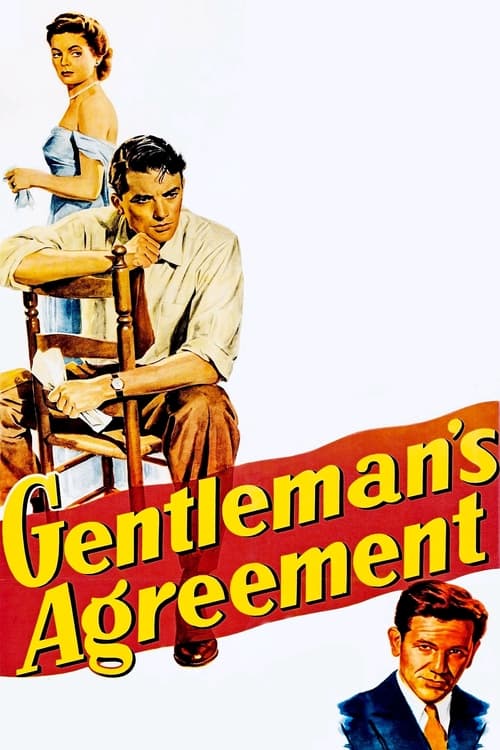
Gentleman's Agreement offers a sophisticated early exploration of systemic prejudice. It successfully dismantles the myth of a non-discriminatory Western social order, particularly focusing on the unspoken rules used by polite society to maintain oppressive hierarchies. However, the film remains anchored to the gendered storytelling norms of 1947. The central investigation into prejudice is framed primarily as a male intellectual journey, which limits the scope of its social critique through a traditional masculine lens. Ultimately, the film's strength lies in its willingness to confront casual, institutionalized bigotry, even while it adheres to the era's standard gender and social structures.
Category Breakdown
The film does not include any representation of LGBTQ+ identities or queer narratives.
The story focuses on a male protagonist's professional and moral decisions within traditional gender roles. The wife is portrayed competently, but the central conflict revolves around a masculine pursuit.
The film critiques the exclusion of Jewish individuals from elite social and professional circles, highlighting systemic discrimination.
The movie challenges the moral superiority of established social hierarchies by exposing the complicity of the upper class in maintaining oppressive systems.
The film does not prominently depict characters with physical or cognitive disabilities, nor do such characters drive the narrative.
Present on Screen
Limited or Absent
Official Synopsis
A magazine writer poses as a Jew to expose anti-Semitism.
1960
1957
1959

1945
1995

1993
2016

1976
No reviews yet. Be the first to share your thoughts on this movie!
Use the rating form above to leave a star rating and optional review.