Far from Heaven
2002
No user ratings available yet
Representation score: 7.0 out of 10
Representation Score
Fair
2016
RDirector
James Schamus
Runtime
110 minutes
Average Rating
No ratings yetNew Showbiz Analysis
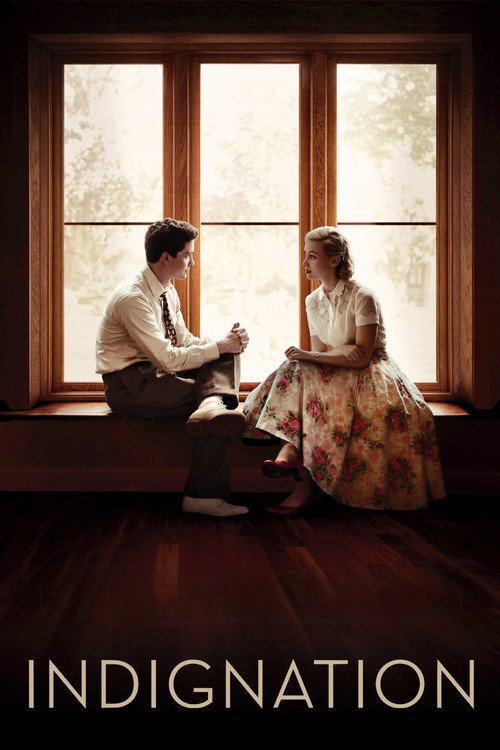
Indignation is a sophisticated period drama that uses its historical setting to critique the rigidity of mid-century social hierarchies. The film highlights the conflict between individual freedom and oppressive systemic norms. Its strength lies in its nuanced portrayal of religious and ethnic exclusion, particularly through the lens of a working-class Jewish student. However, the film lacks representation of LGBTQ+ identities and disabilities, remaining confined to the social landscape of the 1950s.
Category Breakdown
The film focuses on the social constraints of the 1950s rather than exploring LGBTQ+ identities. Themes of sexual repression and desire are tied to the era's social norms, not queer identity.
The story emphasizes the restrictive social roles of the mid-20th century. It examines how gendered expectations and societal pressures impact personal freedom and individual control.
The film centers on the Jewish-American experience, offering a detailed look at the protagonist's struggle with anti-Semitism. This challenges the notion of a uniform mid-century American experience.
It critiques the perceived stability of Western social structures. The film portrays the struggle against the rigid social and religious norms of the 1950s.
There is no evidence of visible or invisible disabilities playing a central role in the plot or character development.
Present on Screen
Limited or Absent
Official Synopsis
In 1951, Marcus Messner, a working-class Jewish student from New Jersey, attends a small Ohio college, where he struggles with anti-Semitism, sexual repression, and the ongoing Korean War.
2002
1968

2008
1957

2018

1947

2016

2018
No reviews yet. Be the first to share your thoughts on this movie!
Use the rating form above to leave a star rating and optional review.