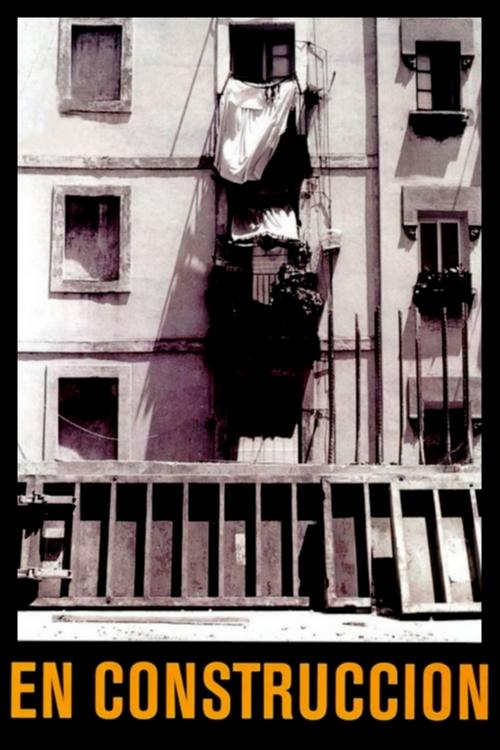
Work in Progress
2001
No user ratings available yet
Representation score: 5.0 out of 10
Representation Score
Limited
1965
Director
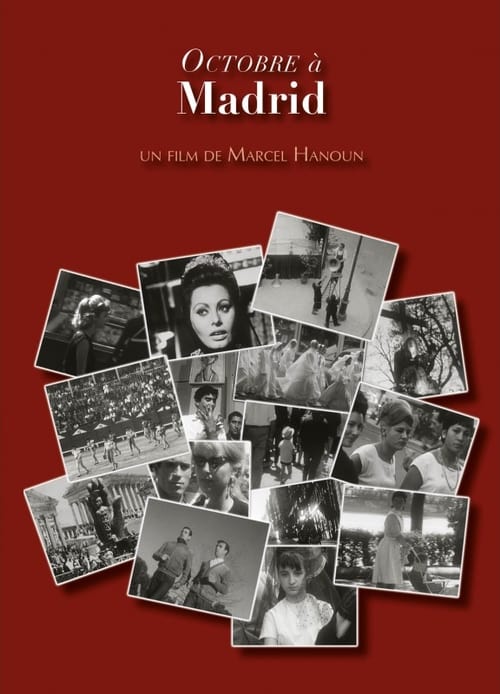
Marcel Hanoun
Runtime
62 minutes
Average Rating
No ratings yetNew Showbiz Analysis
Marcel Hanoun’s documentary is a meta-cinematic exploration that prioritizes the filmmaking process over traditional narrative structures. It succeeds by challenging the monolithic, authoritative structures common in mid-20th-century media, favoring a subjective and reflexive approach. While the film advances through formal experimentation, it lacks explicit identity-based representation. There is no evidence of LGBTQ+ or disability-focused narratives, leaving these categories unaddressed. Ultimately, the film's strength lies in its intellectual skepticism. By transforming working difficulties into the core of the work, it challenges the stability of Western institutional storytelling.
Category Breakdown
The film does not provide specific examples of LGBTQ+ characters or non-cisgender identities. Instead, it emphasizes the filmmaking process rather than social identity stories.
The film moves away from the typical 'voice of God' style that often supports patriarchal structures. However, it does not include explicit gender dynamics or challenge gender hierarchies.
Set in Madrid, the film engages with the local Spanish population. It avoids colonialist stereotypes by focusing on the actual local reality rather than stereotypical representations.
The film challenges traditional documentary formats by presenting a fragmented, postmodern reality. It questions the idea of a single, polished truth through intellectual skepticism.
There is no evidence showing the portrayal of physical or neurodivergent disabilities in the film.
Present on Screen
Limited or Absent
Official Synopsis
Initially a made-to-order documentary on Spain, the film becomes an open-ended work-in-the-making about the creative process. “Settling in the Spanish capital to make a documentary, Hanoun sketches out for us the different steps involved in making a film. The author turns his hesitations, his doubts and difficult working conditions into the constituents of his work”. (Raphaël Bassan)
2001
1961
2005
1929
![Movie poster for Streetscapes [Dialogue]](https://image.tmdb.org/t/p/w500/lbaDCCZJ6xwvNLO5qFDBmjnjaOH.jpg)
2017
1982
2012
2005
No reviews yet. Be the first to share your thoughts on this movie!
Use the rating form above to leave a star rating and optional review.