Hare Krishna! The Mantra, the Movement and the Swami Who Started It All
2017
No user ratings available yet
Diversity score: 5.7 out of 10
2004
Director
Satyajit Bhatkal
Runtime
141 minutes
Average Rating
No ratings yetSynopsis
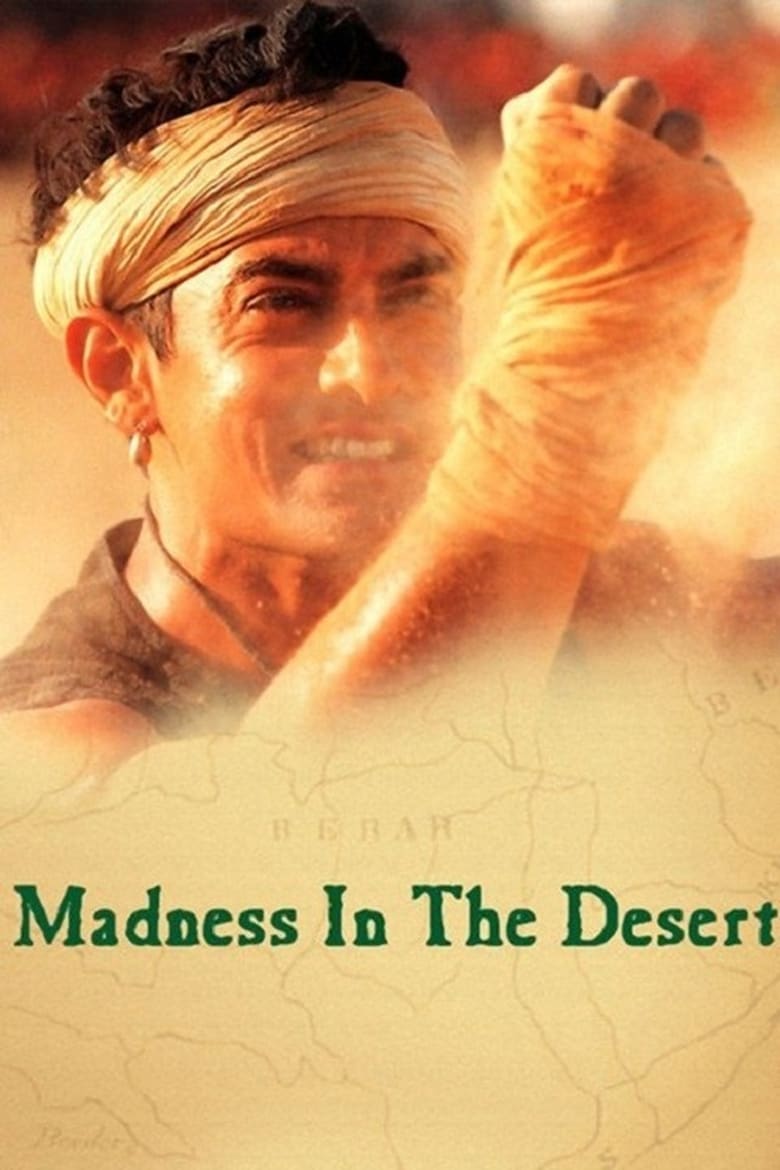
The story of making "Lagaan," one of the millennium's seminal Indian films, is told from the point of view of production team member Satyajit Bhatkal.
Overall Score
Fair
Category Breakdown
LGBTQ+ Representation
The documentary focuses on film production logistics and lacks evidence of scripted LGBTQ+ character arcs or thematic explorations of non-cisnormative identities.
Gender Representation
The film provides professional visibility to crew members, though it lacks specific evidence of subverting traditional gender hierarchies or portraying non-traditional roles within the production team.
Racial & Ethnic Diversity
By centering the making of Lagaan, the film highlights a predominantly South Asian workforce. This disrupts Western-centric gazes by documenting non-Anglo-Saxon production structures and labor.
Religious & Cultural Diversity
The film explores the tension between large-scale film production and localized cultural traditions. It offers a nuanced look at the labor required to construct a specific cultural mythos.
Disability Representation
There is no documented evidence regarding the portrayal of neurodivergence or physical disabilities within the production crew or the documentary's subject matter.
Strengths
Areas for Improvement
AI Analysis
Madness in the Desert serves as a vital document of industrial labor within the South Asian film industry. Its primary value lies in its ability to center a non-Western cinematic achievement, providing visibility to the professionals behind a landmark production. The film succeeds in deconstructing the 'behind-the-scenes' mythos through a non-Western lens. By focusing on the logistical complexities of a major Indian epic, it challenges the traditional dominance of Hollywood-centric documentary styles. However, as a documentary centered on production logistics, it lacks the character-driven subversion or thematic exploration of identity found in scripted narratives. It functions more as a record of professional labor than a study of social representation.
2017
2013

2007
2013

1965

2020
2012
2015

2015

2013

2012

1967
No reviews yet. Be the first to share your thoughts on this movie!
Use the rating form above to leave a star rating and optional review.