Portrait d'Orson Welles
1968
No user ratings available yet
Diversity score: 2.6 out of 10
2009
Director
Serge Bromberg, Ruxandra Medrea
Runtime
102 minutes
Average Rating
No ratings yetSynopsis
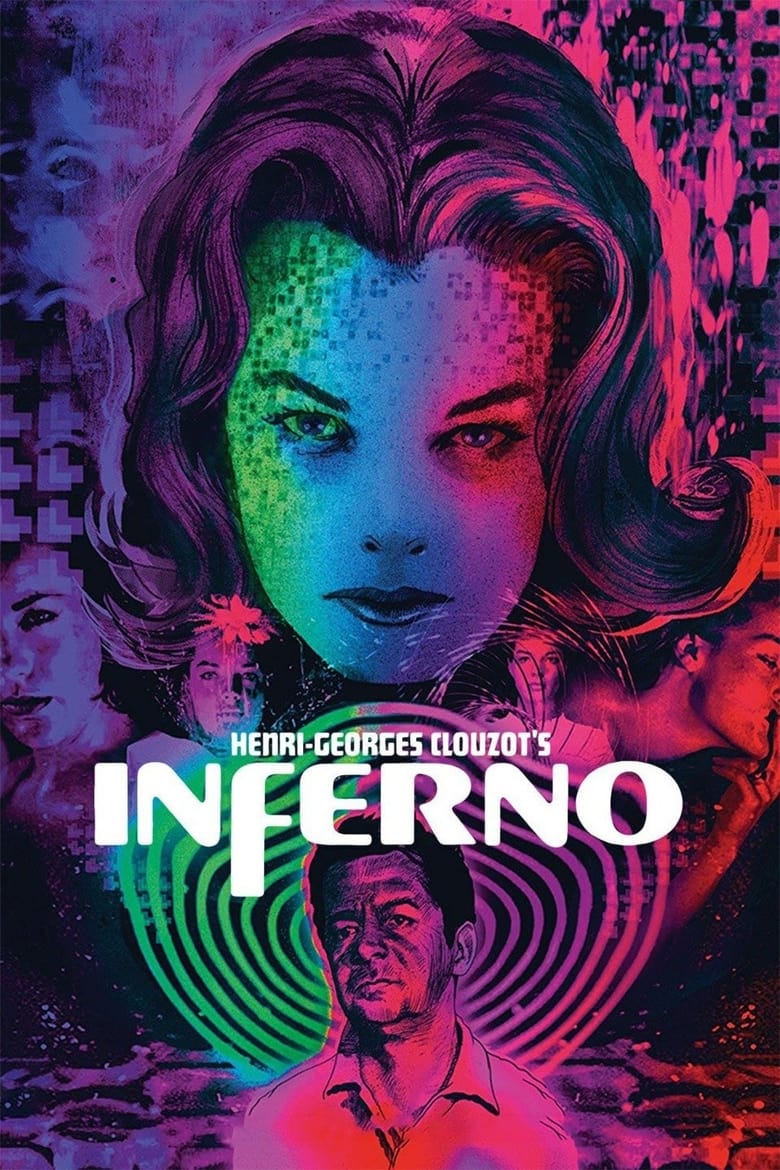
In 1964, Henri-Georges Clouzot's production of L'Enfer came to a halt. Despite huge expectations, major studio backing and an unlimited budget, after three weeks the production collapsed. This documentary presents Inferno's incredible expressionistic original rushes, screen tests, and on-location footage, whilst also reconstructing Clouzot's original vision, and shedding light on the ill-fated endeavor through interviews, dramatizations of unfilmed scenes, and Clouzot's own notes.
Overall Score
Limited
Category Breakdown
LGBTQ+ Representation
The documentary focuses on the technical and psychological collapse of a film production. It contains no narratives addressing non-cisnormative identities or critiques of heteronormativity.
Gender Representation
The film examines the work of Henri-Georges Clouzot, a male director. It acts as a lens into the power dynamics of the 1964 era without explicitly subverting gender hierarchies.
Racial & Ethnic Diversity
The subject matter is rooted in mid-century French cinema and Eurocentric traditions. There is no indication of intentional racial blending or diverse casting within the archival material.
Religious & Cultural Diversity
The film critiques the stability of traditional Western film industry institutions. It provides a nuanced look at the systemic pressures and volatility of capitalist-driven studio models.
Disability Representation
The documentary does not contain specific evidence regarding the portrayal of neurodivergence or physical disabilities.
Strengths
Areas for Improvement
AI Analysis
This documentary functions as a historical study of a failed 1964 production rather than a scripted narrative. Its primary purpose is the archival reconstruction of expressionistic filmmaking and Clouzot's original vision. Because the work prioritizes technical preservation and the deconstruction of the filmmaking process, it lacks intentional character-driven representation. The focus remains on artistic obsession and systemic production failure. Consequently, the film does not serve as a vehicle for contemporary social narratives, instead offering a meta-commentary on the collapse of high-budget studio systems.
1968
2007

1995

2012

2008
2006
2003
2009

2007
2015
1995

2000
No reviews yet. Be the first to share your thoughts on this movie!
Use the rating form above to leave a star rating and optional review.