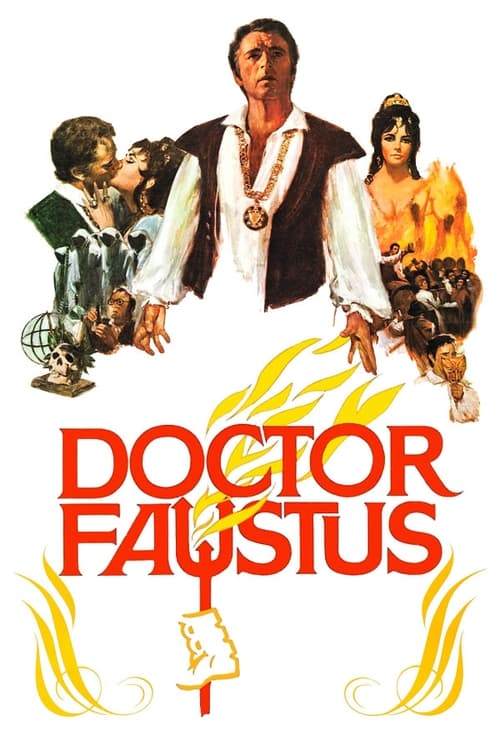
Doctor Faustus
1967
No user ratings available yet
Representation score: 0.6 out of 10
Representation Score
Fair
1950
ApprovedDirector
René Clair
Runtime
96 minutes
Average Rating
No ratings yetNew Showbiz Analysis
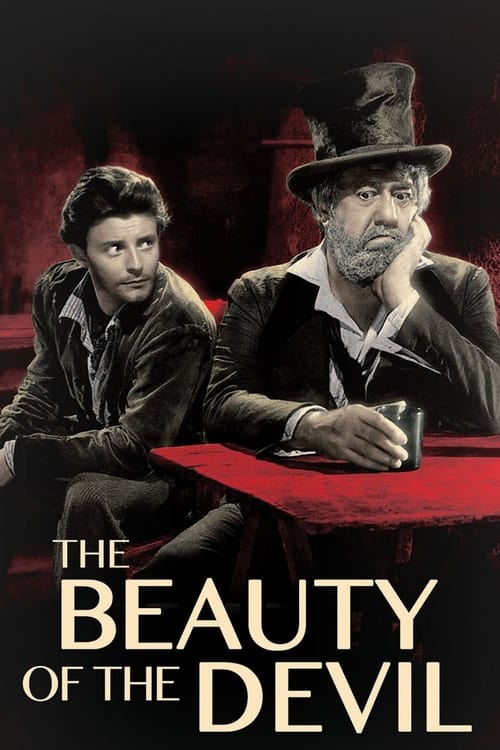
René Clair’s film is a character-driven exploration of identity and morality. It uses a body-swapping concept to examine the fluidity of the self and the complexities of the human soul. While it lacks modern diverse representation, it successfully challenges the typical Faustian tragedy. It shifts from strict religious teachings to a nuanced philosophical inquiry into human frailty. The narrative's strength lies in its moral ambiguity, rooted in the traditional archetypes of its 1950s production period.
Category Breakdown
The film doesn't show LGBTQ+ identities or non-straight relationships explicitly. It focuses on a Faustian bargain and a central female character.
The story revolves around a male protagonist dealing with aging and power. The gypsy girl offers spiritual guidance and serves as a moral counterbalance.
A gypsy girl brings ethnic diversity to the 1700s French setting. Her portrayal probably follows old stereotypes about Romani characters as outsiders.
The film examines moral relativism by questioning simple good versus evil. It uses supernatural elements to explore human nature and ambition.
No characters have physical or neurodivergent disabilities. The film addresses the universal experience of aging and physical decline.
Present on Screen
Limited or Absent
Official Synopsis
Henri Faust, retiring after 50 years as a professor in a circa-1700 French university, despairs at the ravages of old age ... whereupon Mephistopheles, agent of Lucifer, appears as a virile, handsome young man and exchanges bodies with him to induce Faust to sign a pact to exchange his soul for renewed youth, riches and power. But though the "new" Faust is attracted by the material improvements in his life, he remains wary of signing, while Mephistopheles, now posing as the aged professor whose body he inhabits, must find a way to trick him into signing the pact - and dissuade him from the love of a gypsy girl who prays for his soul - or find himself damned by his own Master...
1967
1960

1949
1926
1954

1945

1917

1967
No reviews yet. Be the first to share your thoughts on this movie!
Use the rating form above to leave a star rating and optional review.