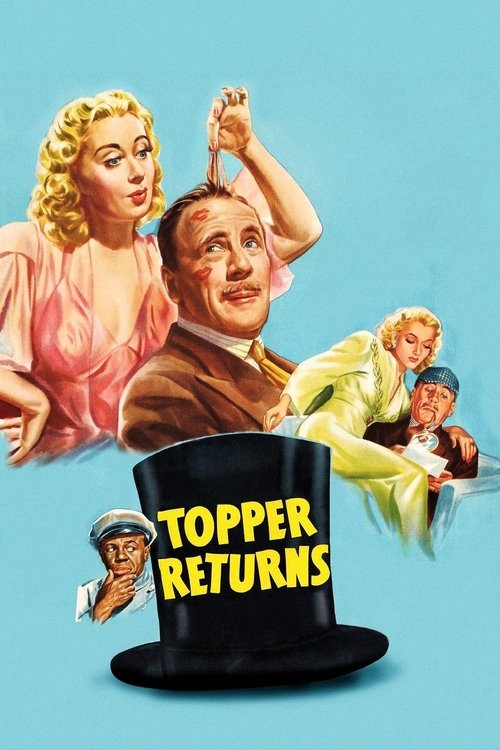
Topper Returns
1941
No user ratings available yet
Representation score: 0.8 out of 10
Representation Score
Minimal
1947
ApprovedDirector
George Blair
Runtime
66 minutes
Average Rating
No ratings yetNew Showbiz Analysis
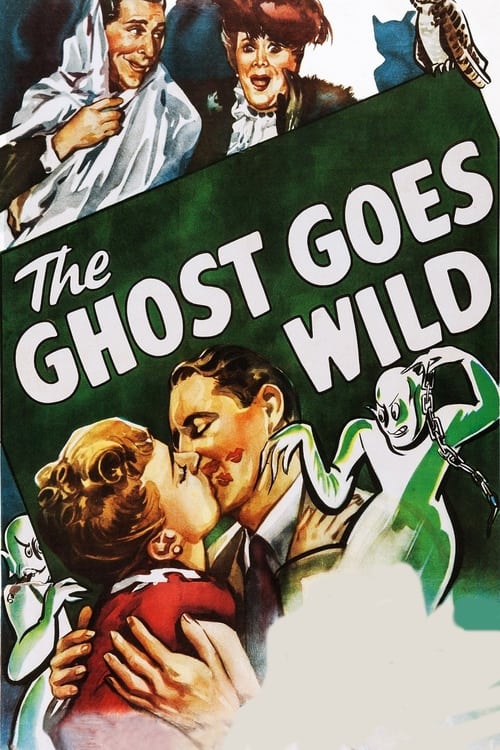
The Ghost Goes Wild is a classic product of 1947 Hollywood, focusing on escapist comedy while reinforcing the status quo. The film relies on established genre clichés and period-typical characterizations that support the dominant social order. Its demographic makeup is largely uniform, reflecting the standard practices of the time. The narrative centers on a white-centric social environment and traditional legal and social institutions. Ultimately, the film lacks the intention to disrupt social hierarchies. It functions as a straightforward comedy where supernatural elements serve the plot without addressing broader human diversity.
Category Breakdown
The film does not include any characters with non-binary gender identities or same-sex relationships. It follows the assumption that everyone is straight and cisgender.
Monte Crandell's comedic performance follows the typical gender roles of the mid-20th century. The story does not challenge traditional male authority or give women significant roles.
The cast appears uniform, reflecting the era's studio practices. There are no characters of color driving the plot or showing intentional racial diversity.
This comedy operates within established social and legal norms. It avoids any anti-Western critiques and follows a conventional path of conflict and resolution.
The film does not feature any characters with visible or invisible disabilities. The ghost is used as a comedic device without exploring disability issues.
Present on Screen
Limited or Absent
Official Synopsis
Young artist Monte Crandell is being sued for an unauthorized caricature. To escape arrest, he disguises himself as a mystic, only to conjure up a genuine ghost during a seance. Things come to a head during his trial, where the invisible ghost takes the witness stand on Our Hero's behalf.
1941
1945
1944
1966
1935
1937
1946
1942
No reviews yet. Be the first to share your thoughts on this movie!
Use the rating form above to leave a star rating and optional review.