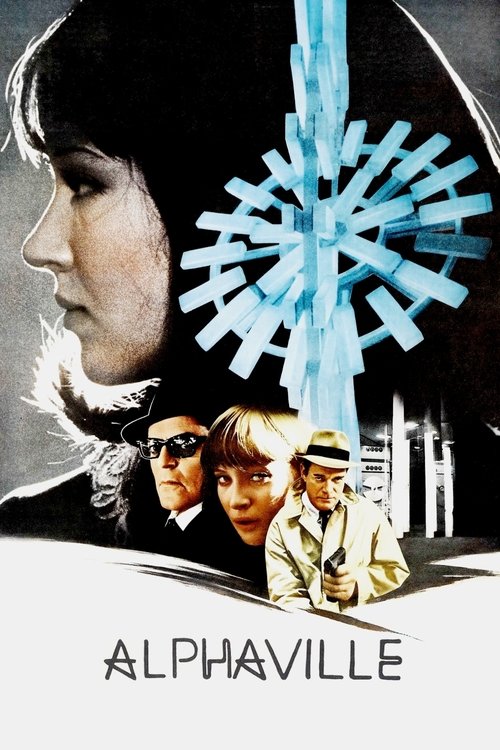
Alphaville
1965
No user ratings available yet
Diversity score: 5.5 out of 10
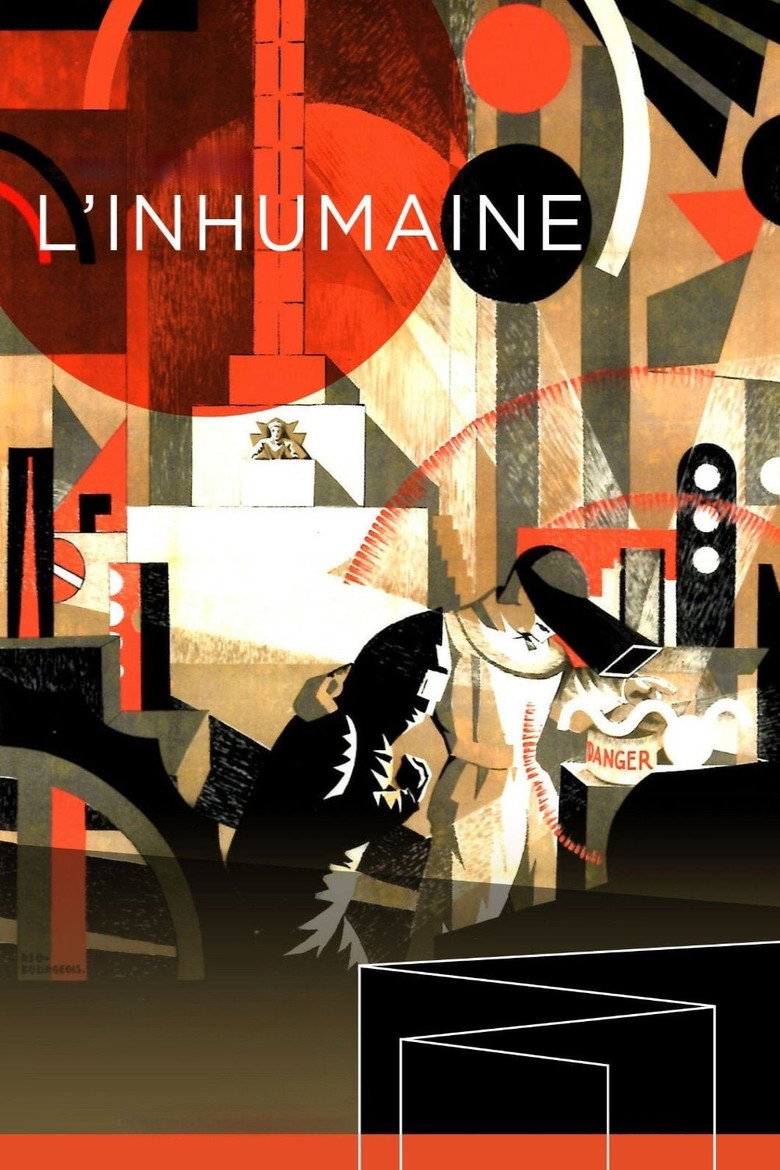
1924
Director
Marcel L'Herbier
Runtime
123 minutes
Average Rating
No ratings yetSynopsis
A famous singer Claire Lescot, who lives on the outskirts of Paris, is courted by many men, including a maharajah, Djorah de Nopur, and a young Swedish scientist, Einar Norsen. At her lavish parties she enjoys their amorous attentions but she remains emotionally aloof and heartlessly taunts them. When she is told that Norsen has killed himself because of her, she shows no feelings. At her next concert she is booed by an audience outraged at her coldness. She visits the vault in which Norsen's body lies, and as she admits her feelings for him she discovers that he is alive; his death was feigned. Djorah is jealous of their new relationship and causes Claire to be bitten by a poisonous snake. Her body is brought to Norsen's laboratory, where he, by means of his scientific inventions, restores Claire to life.
Overall Score
Fair
Category Breakdown
LGBTQ+ Representation
The film centers on heteronormative romantic pursuits and the courtship of Claire Lescot by men. There is no visible evidence of non-cisnormative identities or same-sex intimacy.
Gender Representation
Claire Lescot subverts traditional female tropes by acting as a powerful, emotionally aloof agent. She exerts control over her suitors and defies the expectation of being a nurturing or reactive lead.
Racial & Ethnic Diversity
The inclusion of a maharajah introduces non-Western elements into the Parisian setting. However, these characters are framed through high-society courtship rather than deep agency or systemic critique.
Religious & Cultural Diversity
The narrative challenges traditional moral expectations by centering a protagonist who defies social norms. It uses high-society decadence to critique the rigid social structures of the early 20th century.
Disability Representation
There is no discernible depiction of physical or neurodivergent disabilities. The story focuses on psychological states rather than visible or invisible disabilities.
Strengths
Areas for Improvement
AI Analysis
L'Herbier's work disrupts traditional social structures through a sophisticated visual language. The film is most progressive in its treatment of gender, replacing the 'damsel' archetype with a morally ambiguous, autonomous woman who dictates the emotional landscape of her world. While the film offers ethnic variety through the presence of a maharajah, the setting remains largely centered on the European bourgeoisie. The narrative lacks modern intersectional markers, specifically regarding LGBTQ+ and disability representation. Ultimately, the film's strength lies in its psychological depth and its willingness to challenge the sanctity of conventional emotional bonds and moralistic social pressures.
1965

2017
1952
1935
No reviews yet. Be the first to share your thoughts on this movie!
Use the rating form above to leave a star rating and optional review.