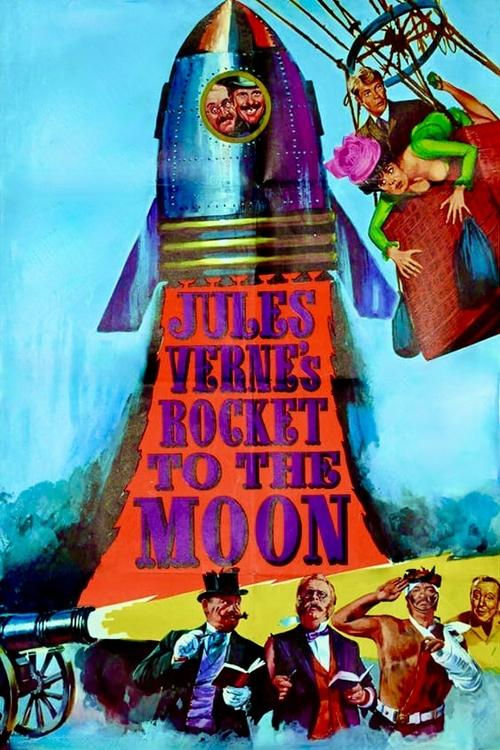
Jules Verne's Rocket to the Moon
1967
No user ratings available yet
Representation score: 1.4 out of 10
Representation Score
Minimal
1929
Not RatedDirector
Fritz Lang
Runtime
170 minutes
Average Rating
No ratings yetNew Showbiz Analysis
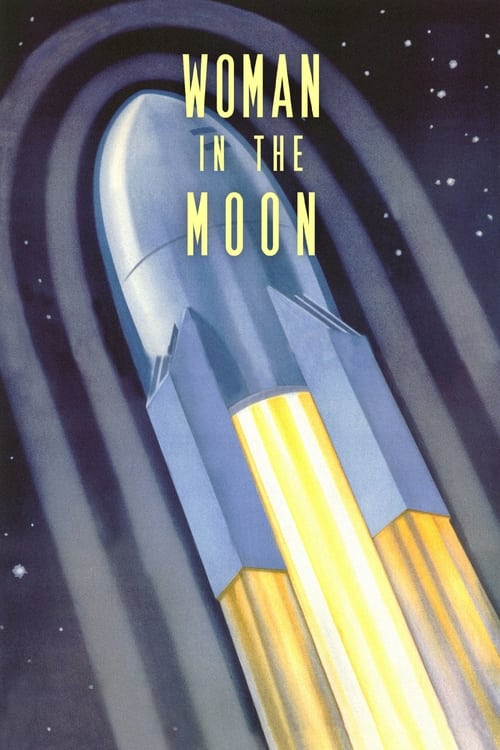
Fritz Lang's 1929 masterpiece is a pioneering work of science fiction that emphasizes technical spectacle and the drama of human ambition over social diversity. While it delves into the psychological pressures of isolation, the narrative is firmly grounded in the era's traditional hierarchies. The film presents a homogeneous crew reflecting early 20th-century cinematic norms and the historical context of early space-age speculation. It lacks racial and ethnic diversity, reinforcing a Eurocentric perspective. Ultimately, the work celebrates the 'technological sublime,' reinforcing existing power structures rather than subverting them. It is a product of its specific historical and cultural moment.
Category Breakdown
The film focuses on a traditional love triangle involving a male scientist and a female protagonist. There are no hints of LGBTQ relationships or characters with non-binary gender identities.
A female character plays a crucial role in the story, influencing the emotional journey of the mission. However, leadership is still dominated by masculine scientific authority.
The crew consists of a homogeneous group of Western characters, reflecting early 20th-century cinematic norms. The story does not include diverse ethnic perspectives or actors from different backgrounds.
The story emphasizes technical achievement and resource accumulation, aligning with colonial expansion ideals. It upholds traditional Western institutions without challenging their dominance.
There are no significant portrayals of physical or neurodivergent disabilities used as central character traits or plot devices.
Present on Screen
Limited or Absent
Official Synopsis
A scientist discovers that there's gold on the moon. He builds a rocket to fly there, but there's too much rivalry among the crew to have a successful expedition.
1967
1950
1902

2007
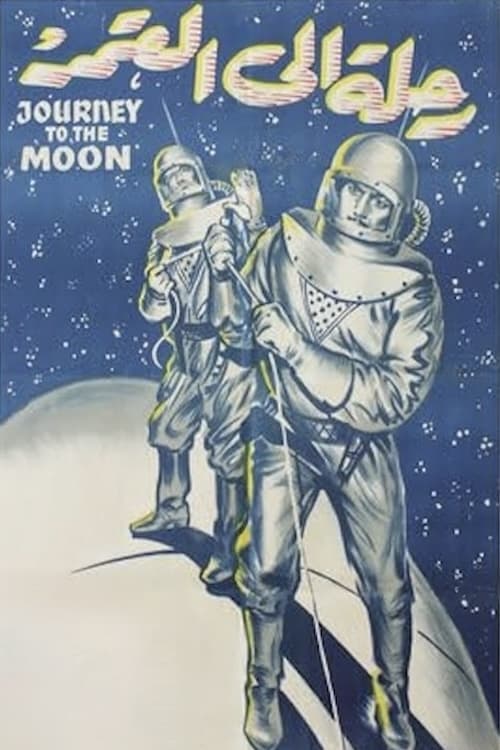
1959
1924
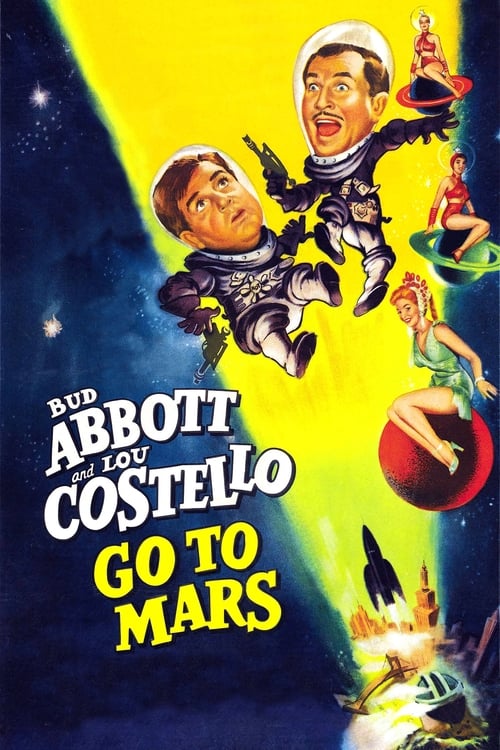
1953
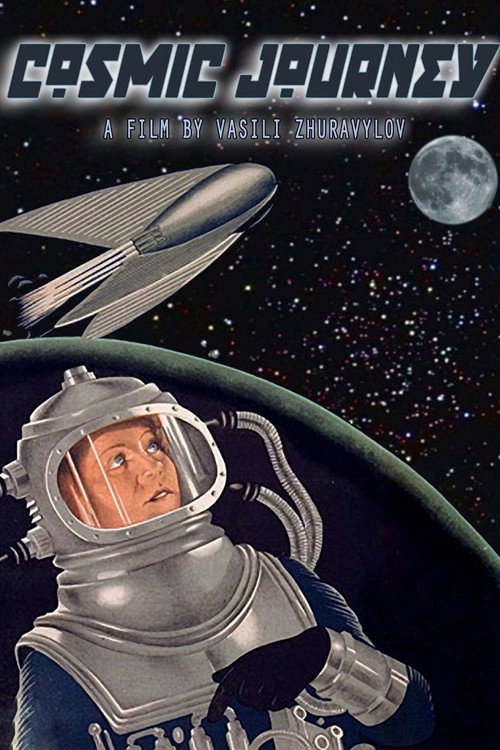
1936
No reviews yet. Be the first to share your thoughts on this movie!
Use the rating form above to leave a star rating and optional review.