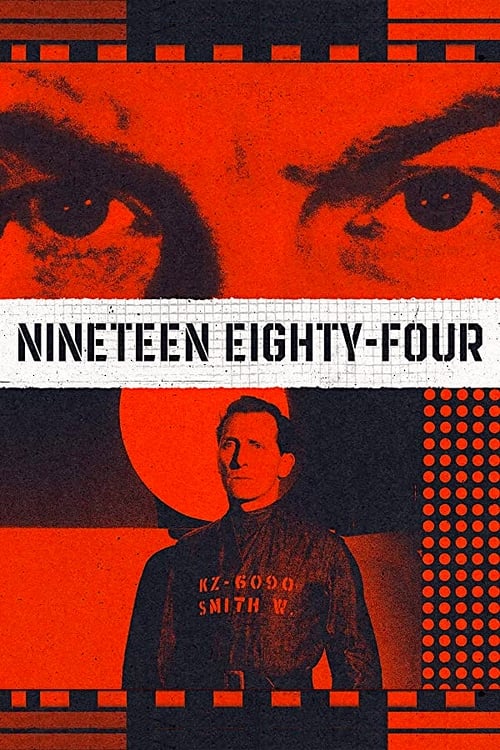
Nineteen Eighty-Four
1984
No user ratings available yet
Representation score: 5.7 out of 10
Representation Score
Good
1954
Director
Rudolph Cartier
Runtime
107 minutes
Average Rating
No ratings yetNew Showbiz Analysis
This 1954 adaptation is a sophisticated examination of centralized power and its impact on individual freedom. It excels in its cultural critique, showing how centralized authority manipulates truth and social reality. However, the production is constrained by the homogeneity of its cast and the focus on a traditional heterosexual relationship. These limitations highlight the lack of diverse representation.
Category Breakdown
The story focuses on a traditional heterosexual relationship between Winston and Julia. It does not include any non-cisgender identities.
Julia plays a significant role in the story by using her sexuality as a form of resistance. The film highlights the state's efforts to manipulate traditional gender roles and disrupt domestic life.
The cast is predominantly white, reflecting the casting practices of the time. The setting is a monochromatic, industrial London without much visible diversity.
The film provides a deep critique of institutional power and Western structures. It replaces traditional religion with the cult of Big Brother and examines how language can be corrupted.
The narrative explores the psychological impact of living under constant surveillance and paranoia. However, mental health issues are portrayed as symptoms of totalitarianism rather than as independent character traits.
Present on Screen
Limited or Absent
Official Synopsis
A man who works for 'The Party' (an all powerful empire led by a man known only as 'Big Brother') begins to have thoughts of rebellion and love for a fellow member. Together they look to help bring down the party.
1984
1956
1968

1966

1977
1965

1968
1971
No reviews yet. Be the first to share your thoughts on this movie!
Use the rating form above to leave a star rating and optional review.