Testament
1983
No user ratings available yet
Representation score: 4.3 out of 10
Representation Score
Limited
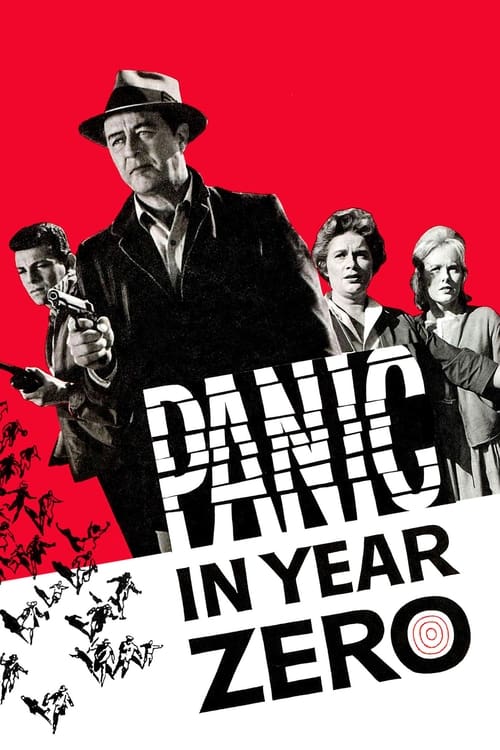
1962
NRDirector
Ray Milland
Runtime
93 minutes
Average Rating
No ratings yetNew Showbiz Analysis
Panic in Year Zero! is a bleak portrayal of societal collapse after a nuclear attack. Despite lacking diverse representation, it offers a nuanced critique of the fragility of Western capitalist systems. The film's strength lies in its exploration of the breakdown of social contracts and institutional authority. It delves into the complexities of moral relativism and situational ethics during systemic collapse. However, it remains constrained by the social norms of 1962, adhering to traditional gender roles and a homogeneous, white, middle-class cast.
Category Breakdown
The film does not include any LGBTQ+ characters or stories. The social structure focuses on traditional mid-century family life.
Men play the key roles in making decisions and surviving. Women are mostly involved in domestic or family-related tasks.
The cast and story mainly feature white, middle-class individuals. There is no diverse ethnic representation, which reflects the limited perspectives of the time.
The story critically examines Western institutions and capitalism, showing government and religious influences as ineffective in preventing chaos.
The film does not intentionally represent characters with disabilities. Characters are defined by their ability to handle the physical challenges of survival.
Present on Screen
Limited or Absent
Official Synopsis
While on a fishing trip, Harry Baldwin and his family hear an explosion and realize that Los Angeles has been leveled by a nuclear attack. Looters and killers are everywhere. Escaping to the hills with his family, he sets about the business of surviving in a world where, he knows, the old ideals of humanity will be the first casualties.
1983

1959
1951

1961
1955
1983

2018

1986
No reviews yet. Be the first to share your thoughts on this movie!
Use the rating form above to leave a star rating and optional review.