
The Year of the Sex Olympics
1968
No user ratings available yet
Representation score: 7.7 out of 10
Representation Score
Limited
1979
Director
Piers Haggard
Runtime
102 minutes
Average Rating
No ratings yetNew Showbiz Analysis
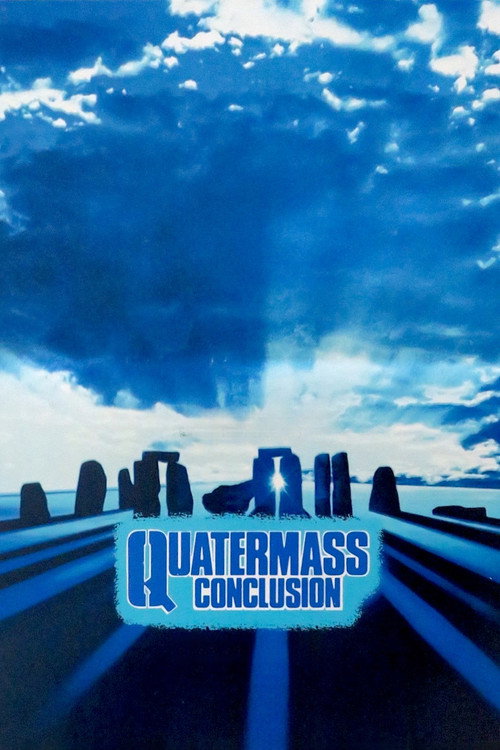
The Quatermass Conclusion is a science fiction film set in the 1970s that emphasizes cosmic horror and existential dread over identity-based representation. It primarily serves as a critique of institutional stability during a global crisis. Though the film lacks meaningful inclusion across most demographic groups, it provides cultural complexity through its depiction of social decay. The narrative explores the breakdown of established hierarchies and the fragility of human-centric order. Ultimately, the film remains grounded in the genre conventions of its time, focusing on the sociological impact of cult movements rather than diverse representation.
Category Breakdown
The film centers on a cosmic crisis and species-wide evolution. It does not include characters with non-binary gender identities or challenge the assumption that everyone is straight. The story follows the conventions of 1970s science fiction.
The power structure is dominated by men in scientific roles. Female characters are present but play conventional roles rather than driving the main scientific investigation.
The near-future London depicted is mostly uniform, with little racial mixing or casting meant to challenge Anglo-centric norms.
The story critiques Western institutions by showing their collapse. The 'Planet People' cult examines the rejection of traditional societal structures.
Biological transformations symbolize evolution rather than representing disabilities. Physical changes are shown as a loss of control to an alien consciousness.
Present on Screen
Limited or Absent
Official Synopsis
Influenced by the social and geopolitical situation of the early nineteen-seventies and the hippie youth movement of the late nineteen-sixties, Quatermass is set in a near future in which large numbers of young people are joining a cult, the “Planet People”, and gathering at ancient sites, believing they will be transported to a better life on another planet.
1968
1967
1965

1961

1969
1962

1969

1989
No reviews yet. Be the first to share your thoughts on this movie!
Use the rating form above to leave a star rating and optional review.