Thread
2017
No user ratings available yet
Representation score: 6.2 out of 10
Representation Score
Fair
2016
Not RatedDirector
Alex Helfrecht, Jörg Tittel
Runtime
89 minutes
Average Rating
No ratings yetNew Showbiz Analysis
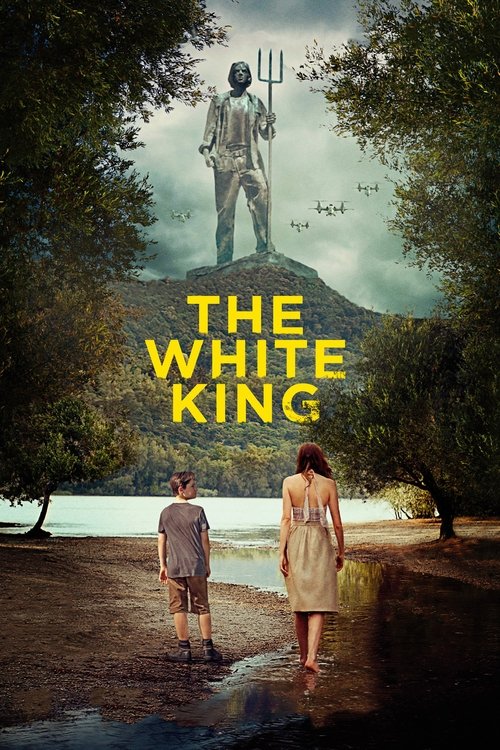
The White King uses a science-fiction drama framework to explore the relationship between individuals and an oppressive state. It succeeds by focusing on a non-Western struggle and portraying political institutions as predatory and corrupt. While the film lacks explicit LGBTQ+ or disability-centric narratives, it highlights the empowerment of underrepresented characters. The story effectively challenges traditional power hierarchies through its focus on systemic inequality. Ultimately, the film's strength lies in its sociopolitical critique and its departure from Western-centric storytelling clichés.
Category Breakdown
The film focuses on a nuclear family unit as its primary emotional anchor and does not include any explicit evidence of queer identities or non-straight characters.
Hannah is portrayed as a resilient and strong character who takes a leading role in the story. After her father is imprisoned, she becomes the central figure in the family's survival and political resistance.
The film centers a non-Western, non-Anglo-Saxon environment and explores systemic inequality through the lens of a family living under a brutal dictatorship.
The narrative critiques traditional state institutions and centralized authority. It emphasizes familial morality over state-mandated loyalty, presenting the government as an oppressive force.
There is no visible or documented evidence of the portrayal of physical or neurodivergent disabilities in this work.
Present on Screen
Limited or Absent
Official Synopsis
Djata is a care-free 12-year-old growing up in a brutal dictatorship shut off from the outside world. When the government imprisons his father, Peter, and Djata and his mother Hannah are labeled traitors, the boy will not rest until he sees his father again.
2017
1988
2012
2017
2015

2018
2013
2016
No reviews yet. Be the first to share your thoughts on this movie!
Use the rating form above to leave a star rating and optional review.