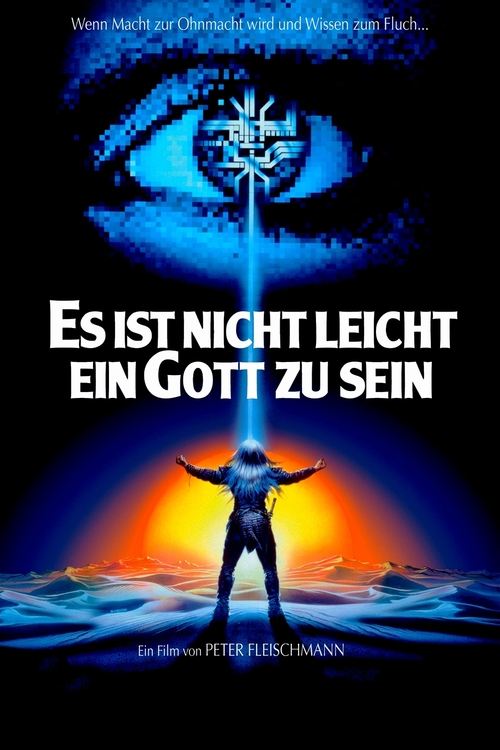
Hard to Be a God
1990
No user ratings available yet
Representation score: 5.2 out of 10

Representation Score
Fair
2014
NRDirector
Aleksei German
Runtime
177 minutes
Average Rating
No ratings yetNew Showbiz Analysis
Aleksei German’s film is a visceral immersion into a decaying civilization that prioritizes thematic deconstruction over demographic inclusion. It excels at critiquing established power structures, particularly the way dogma and religious institutions drive social oppression. However, the work lacks traditional representation. The setting is defined by a homogenous, regressive social fabric where gender hierarchies are oppressive and LGBTQ+ identities are not prioritized. The focus remains on the physical and biological breakdown of the human form. Ultimately, the film's value lies in its intellectual critique of authority and progress, even as it fails to provide diverse casting or nuanced depictions of identity and disability.
Category Breakdown
The film does not center LGBTQ+ identities. Intimacy is explored through a lens of primal survival and degradation, rather than through non-traditional gender or sexual identities.
The narrative depicts rigid, violent patriarchal hierarchies. Women are frequently shown in positions of vulnerability or as victims of systemic violence within the setting.
The cast and setting are largely homogenous, reflecting a specific medievalist aesthetic. The film focuses on biological degradation rather than diverse demographic representation.
The film provides a profound critique of organized religion and superstition. It frames these institutions as primary drivers of ignorance, oppression, and systemic decay.
There is no intentional focus on neurodivergence or physical disability. Bodily trauma is used to enhance themes of decay rather than to provide nuanced representation.
Present on Screen
Limited or Absent
Official Synopsis
A group of scientists is sent to the planet Arkanar to help the local civilization, which is in the Medieval phase of its own history, to find the right path to progress. Their task is a difficult one: they cannot interfere violently and in no case can they kill. The scientist Rumata tries to save the local intellectuals from their punishment and cannot avoid taking a position.
1990

1986
1988

1989

2013

1976

2019
2013
No reviews yet. Be the first to share your thoughts on this movie!
Use the rating form above to leave a star rating and optional review.