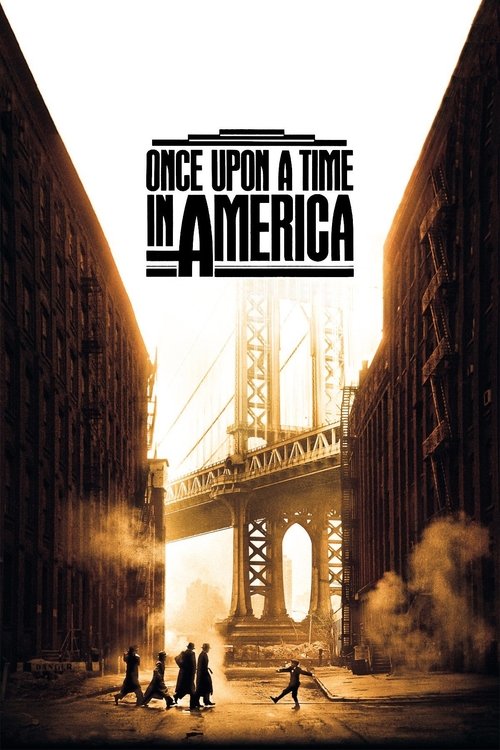
Once Upon a Time in America
1984
No user ratings available yet
Representation score: 5.9 out of 10

Representation Score
Fair
1965
NRDirector
Sidney Lumet
Runtime
116 minutes
Average Rating
No ratings yetNew Showbiz Analysis
Sidney Lumet’s drama excels in its psychological depth, particularly in exploring the lasting impacts of historical violence. By centering a Jewish survivor, the film goes beyond mere biography to examine how ethnic identity and trauma shape a person’s worldview. The film’s strength lies in its portrayal of mental health and its critique of dehumanizing capitalist structures. Psychological detachment is shown as a complex, chronic condition stemming from systemic persecution. However, the film remains confined by traditional gender dynamics. Women play critical roles in the male protagonist’s journey but lack the narrative autonomy to pursue their own stories.
Category Breakdown
The film lacks LGBTQ+ characters or non-straight-centered identities. The narrative focuses strictly on the protagonist's psychological isolation within a traditional social framework.
The story centers around a male protagonist, with female characters playing crucial roles in his emotional development. However, these women primarily support the male character's journey rather than pursuing their own independent arcs.
The film delves deeply into the Jewish experience and the trauma of the Holocaust. By focusing on a Jewish survivor, it challenges the tendency towards homogeneity in casting.
The narrative critiques capitalist systems and the commodification of life, showing how societal instability can arise from historical events. It highlights the impact of economic structures on personal well-being.
The film offers a powerful portrayal of invisible disabilities, such as PTSD and dissociative disorders. The protagonist's emotional numbness is depicted with significant depth and complexity.
Present on Screen
Limited or Absent
Official Synopsis
A Jewish pawnbroker, a victim of Nazi persecution, loses all faith in his fellow man until he realizes too late the tragedy of his actions.
1984
1948

1955

1991

1954

1964

1967

1965
No reviews yet. Be the first to share your thoughts on this movie!
Use the rating form above to leave a star rating and optional review.