Falling Down
1993
No user ratings available yet
Representation score: 4.5 out of 10
Representation Score
Good
1976
RDirector
Martin Scorsese
Runtime
114 minutes
Average Rating
No ratings yetNew Showbiz Analysis
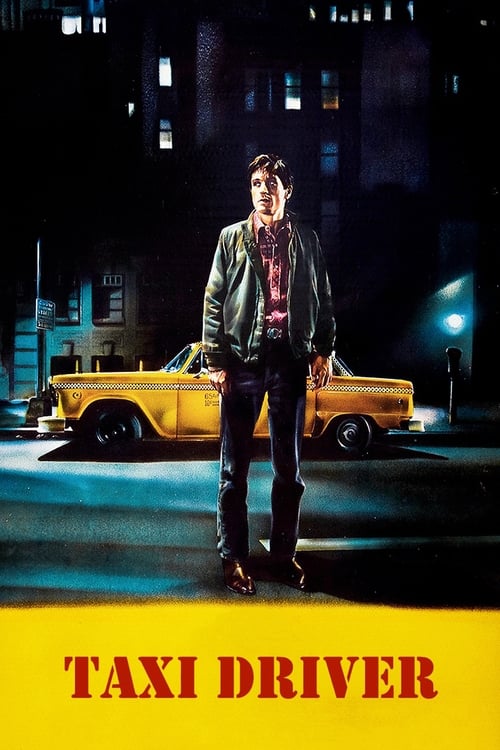
Taxi Driver is a complex exploration of urban alienation. It effectively challenges traditional Western moralities and institutional effectiveness, offering a sophisticated critique of the social contract. However, the film is limited by its narrow focus on a single, troubled male perspective. It lacks representation of LGBTQ+ identities and depicts women primarily through a predatory lens. While the film captures a diverse urban backdrop, many underrepresented groups remain part of the urban atmosphere rather than central to the plot.
Category Breakdown
The film does not include any LGBTQ+ characters or explore non-straight relationships. The story revolves around the protagonist's intense, heterosexual obsession with a single woman.
Gender dynamics are examined through dark intersections of power and predatory behavior. While it challenges traditional male leadership roles, it does so through psychological deterioration rather than empowerment.
The urban setting showcases a multicultural environment. Background characters reflect a diverse socioeconomic reality, though these individuals often serve as part of the urban decay's atmosphere rather than central figures.
The film critically examines Western institutional stability and moral ambiguity. It dismantles the concept of the 'moral hero' through themes of systemic institutional decay.
The film portrays neurodivergence and mental health struggles through Travis Bickle's psychosis and insomnia. It focuses on his condition without resorting to inspirational clichés.
Present on Screen
Limited or Absent
Official Synopsis
Suffering from insomnia, disturbed loner Travis Bickle takes a job as a New York City cabbie, haunting the streets nightly, growing increasingly detached from reality as he dreams of cleaning up the filthy city.
1993
1964

2019
1965
1984
1968

2017
1984
No reviews yet. Be the first to share your thoughts on this movie!
Use the rating form above to leave a star rating and optional review.