GoodFellas
1990
5.0 out of 5 stars based on 1 rating
Representation score: 3.6 out of 10
Representation Score
Fair
1984
RDirector
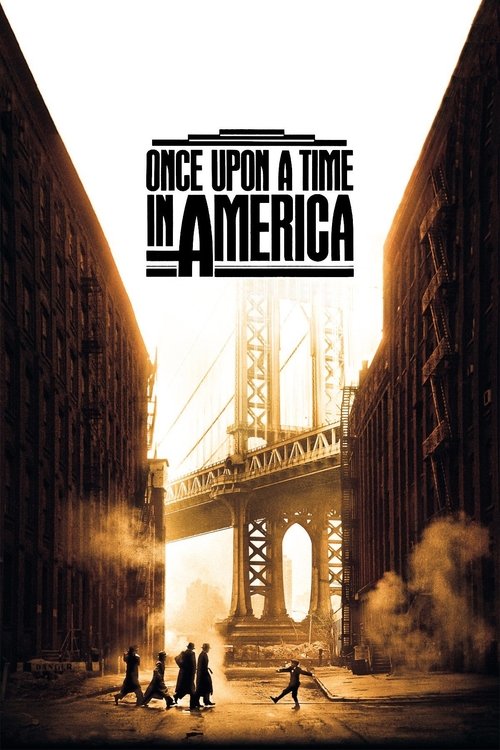
Sergio Leone
Runtime
139 minutes
Average Rating
No ratings yetNew Showbiz Analysis
Sergio Leone's epic succeeds by challenging traditional American narratives through a nuanced lens of ethnic identity. By centering the Jewish immigrant experience, the film critiques the Anglo-Saxon-centric view of the American Dream. However, the film remains deeply rooted in traditional power structures. The heavy focus on a male-dominated criminal underworld results in limited gender ability to act and a lack of LGBTQ+ representation. Ultimately, the work's strength lies in its cultural critique, using the protagonists' struggles against systemic exclusion to deconstruct established social and moral hierarchies.
Category Breakdown
The story centers on heterosexual relationships and male bonds. It does not explicitly depict LGBTQ identities or non-traditional gender expressions.
The film operates within a patriarchal structure where male characters drive the plot. Female characters often serve as emotional catalysts or objects of desire rather than independent agents.
The narrative disrupts monolithic American myths by focusing on the Jewish immigrant experience. Ethnic identity is deeply tied to the characters' survival and social mobility.
The film offers a sophisticated critique of Western institutions and the American Dream. It portrays systemic pressures and capitalism as inherently corrupting forces.
Themes of psychological trauma and addiction are central to the characters. However, these function more as narrative devices than explorations of disability or neurodivergence.
Present on Screen
Limited or Absent
Official Synopsis
A former Prohibition-era Jewish gangster returns to the Lower East Side of Manhattan over thirty years later, where he once again must confront the ghosts and regrets of his old life.
1990
1996
1974
1994

2020

1932

1973
1931
No reviews yet. Be the first to share your thoughts on this movie!
Use the rating form above to leave a star rating and optional review.