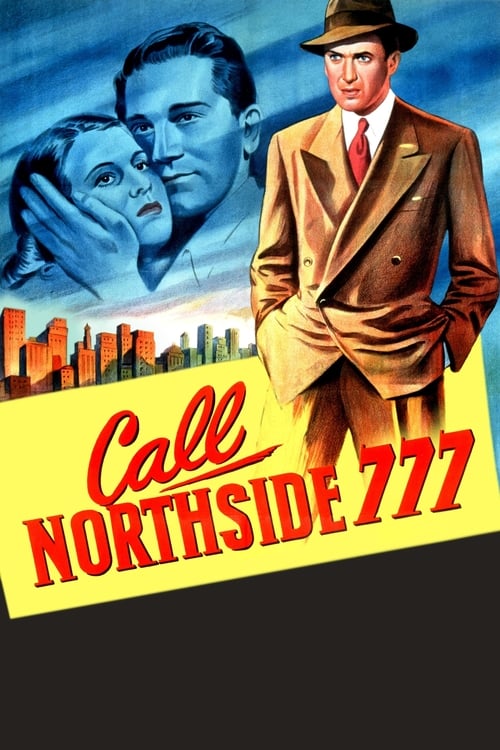
Call Northside 777
1948
No user ratings available yet
Representation score: 1.6 out of 10
Representation Score
Limited
1956
NRDirector
Alfred Hitchcock
Runtime
105 minutes
Average Rating
No ratings yetNew Showbiz Analysis
Hitchcock’s film is a masterclass in psychological realism that prioritizes institutional critique over social advocacy. It succeeds in deconstructing the fallibility of the judicial system, providing a compelling look at how legal truths can conflict with personal reality. However, the work is deeply rooted in the social constraints of its era. It lacks intentional layered representation, presenting a demographic landscape that is largely homogeneous and lacks diverse ethnic or queer identities. Ultimately, the film's impact is existential rather than progressive. It challenges the perceived infallibility of Western institutions but does not actively seek to subvert traditional social hierarchies or gender roles.
Category Breakdown
The film follows a strictly heterosexual and cisgender-focused storyline typical of the 1950s. There are no queer identities or subtext, as the story centers on a traditional marital bond.
Edith provides a nuanced portrayal of female strength and resilience. While she acts as a vital pillar of stability, the film maintains traditional mid-century social structures.
The cast reflects the demographic homogeneity of 1950s New York. The narrative lacks diverse ethnic backgrounds or layered representation, focusing on a predominantly white setting.
The story offers a sophisticated critique of Western institutional reliability. It challenges the idea of the state as an infallible authority by contrasting legal truth with personal reality.
The film depicts the psychological trauma and mental toll of wrongful imprisonment. These elements serve the suspense and protagonist disorientation rather than exploring neurodivergence with real power.
Present on Screen
Limited or Absent
Official Synopsis
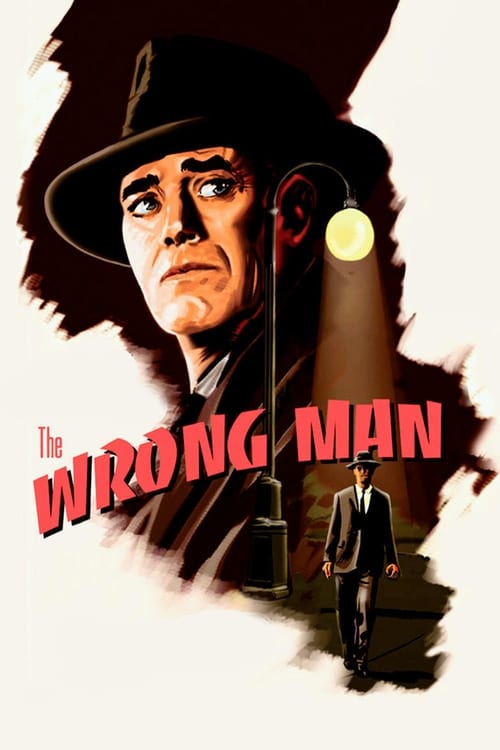
In 1953, an innocent man named Christopher Emmanuel "Manny" Balestrero is arrested after being mistaken for an armed robber.
1948

1936
1989

1956

1980

1941

1966
1953
No reviews yet. Be the first to share your thoughts on this movie!
Use the rating form above to leave a star rating and optional review.