
Papillon
1973
No user ratings available yet
Representation score: 5.0 out of 10
Representation Score
Fair
1958
NRDirector
Stanley Kramer
Runtime
96 minutes
Average Rating
No ratings yetNew Showbiz Analysis
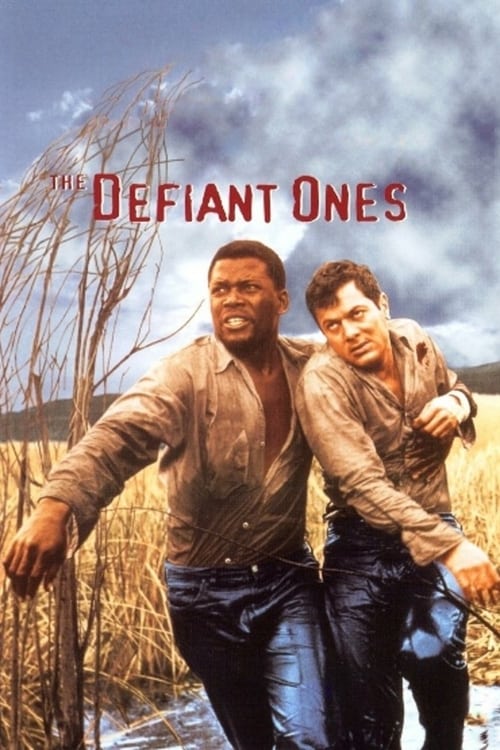
The film stands out for its groundbreaking portrayal of racial dynamics, using the physical chains to symbolize the shared experiences of Black and white Americans. By giving the Black character substantial psychological depth and moral authority, it challenges the predominantly white-centered narratives of the 1950s. However, the film falls short in terms of gender diversity, with female characters having minimal impact or presence in the story. Additionally, there is no representation of LGBTQ+ identities or non-straight relationships. Overall, the film excels as a critique of systemic injustices and the moral ambiguities of institutions, despite being limited by the gender norms of its time.
Category Breakdown
The film does not include any characters with LGBTQ+ identities or explore non-straight relationships. The story focuses solely on the interactions between two male protagonists and the pursuing group.
The movie follows a traditional, male-dominated structure. Female characters have very little influence or control over their situations, and the central conflicts and emotional weight are carried by male characters.
The film breaks racial stereotypes by focusing on the relationship between a Black man and a white man. The Black character is given significant influence and moral depth.
The story critiques Western institutions and questions the morality of law enforcement. It portrays the protagonists' actions as a fight for dignity and justice.
The physical restraints used in the film serve primarily as a plot device to create tension, rather than exploring the complexities of disability.
Present on Screen
Limited or Absent
Official Synopsis
Two convicts—one white, one black—escape while chained to each other.
1973

1966
1986

1947
1988

1965

1967
1949
No reviews yet. Be the first to share your thoughts on this movie!
Use the rating form above to leave a star rating and optional review.