
The Border
1982
No user ratings available yet
Representation score: 3.6 out of 10

Representation Score
Minimal
1964
ApprovedDirector
Samuel Fuller
Runtime
93 minutes
Average Rating
No ratings yetNew Showbiz Analysis
The Naked Kiss is a stylistic noir melodrama that prioritizes social critique over demographic diversity. It succeeds in deconstructing the artifice of high-society structures through a lens of moral relativism. However, the film remains tethered to the cinematic norms of the 1960s, lacking diverse representation. Ultimately, the film's strength lies in its critique of identity and class rather than its portrayal of varied human experiences.
Category Breakdown
The film focuses solely on heterosexual relationships and does not include any LGBTQ+ identities or non-cisgender characters.
The narrative explores complex power dynamics between the main characters. While the female protagonist plays a significant role, the story is largely driven by the male character's obsessions.
The setting is a homogeneous study of wealthy, white New York socialites. There is a notable lack of characters of color with significant roles.
The film provides a nuanced critique of high-society capitalism and its institutions. It highlights the superficiality and moral emptiness of these social structures.
There are no prominent depictions of visible or invisible disabilities that play a central role in the narrative.
Present on Screen
Limited or Absent
Official Synopsis
A former prostitute works to create a new life for herself in a small town, but a shocking discovery could threaten everything.
1982
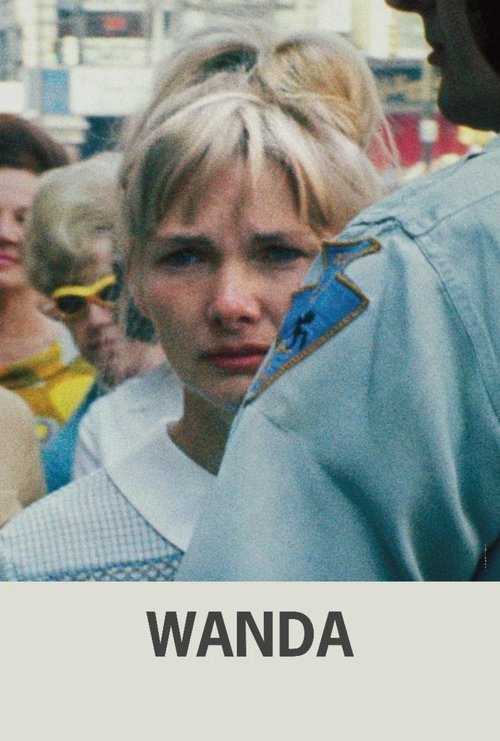
1970
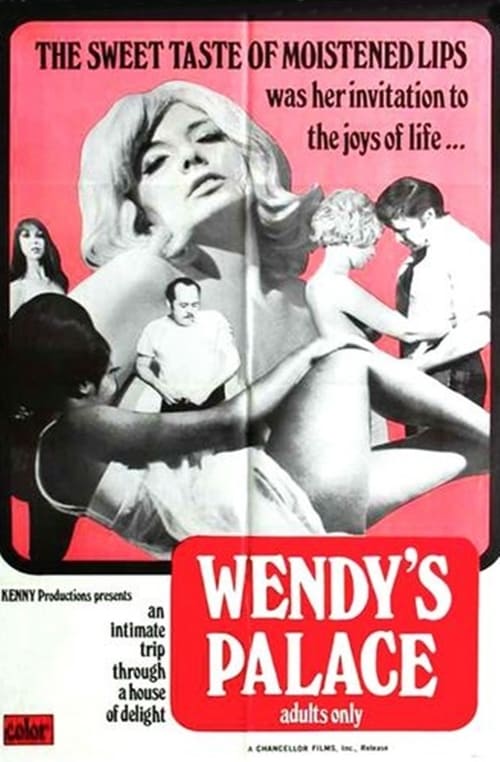
1971

1962

1955
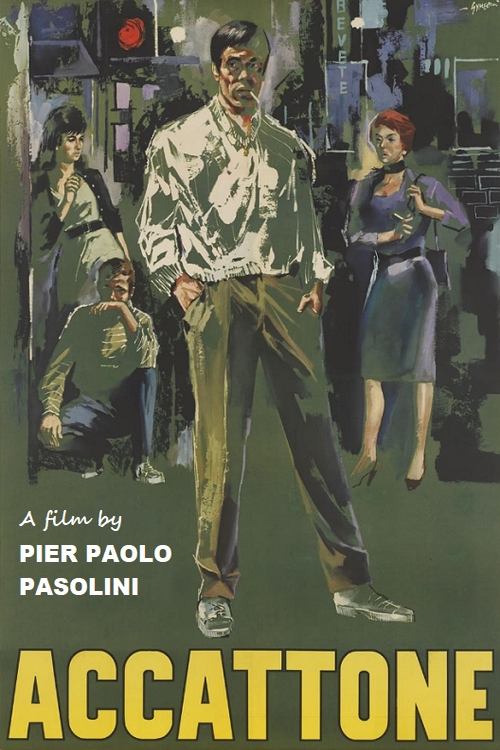
1961

1969

1978
No reviews yet. Be the first to share your thoughts on this movie!
Use the rating form above to leave a star rating and optional review.