
Blood Simple
1985
No user ratings available yet
Representation score: 2.0 out of 10
Representation Score
Minimal
2001
RDirector
Joel Coen, Ethan Coen
Runtime
116 minutes
Average Rating
No ratings yetNew Showbiz Analysis
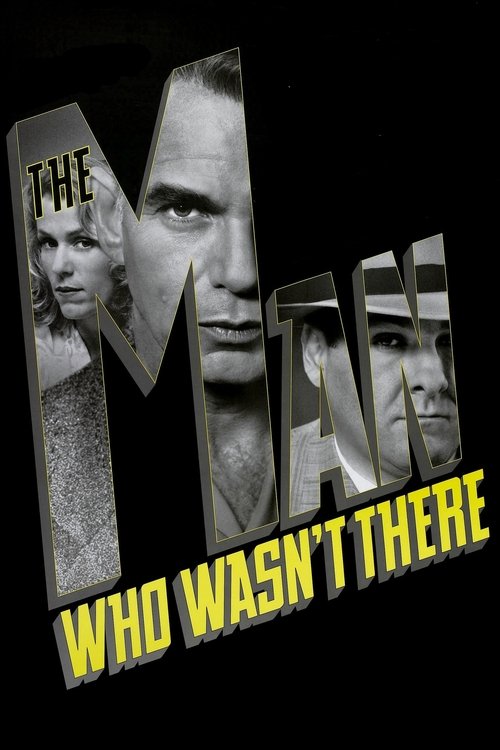
The Man Who Wasn’t There is a stylistic masterpiece of postmodern noir that prioritizes existential themes over broad demographic representation. While it excels in deconstructing the traditional hero cliché and questioning moral certainties, it does so within a narrow social context. By focusing on the aesthetic and social realities of 1949, the film lacks representation for LGBTQ+ individuals, diverse racial groups, and people with disabilities. It functions as a period piece that upholds the homogeneous social structures of its time. Ultimately, the film’s progressive value lies in its narrative structure rather than its inclusivity. It offers a profound critique of institutional stability through a lens of subjective truth, while remaining demographically traditional.
Category Breakdown
The film strictly follows mid-century conventions that assume everyone is straight and cisgender. There are no depictions of LGBTQ+ identities or same-sex intimacy.
Female characters mainly serve as catalysts for the male protagonist’s journey. The story lacks opportunities for women to take leading roles or influence the plot.
The film sets itself in a predominantly white community. It focuses on the socioeconomic struggles of the white working class in 1949.
The movie explores moral relativism and the instability of truth. It uses existential themes to question the idea of a singular, objective morality.
The film does not depict any physical, sensory, or neurodivergent disabilities. Social alienation is portrayed as an existential issue rather than a disability.
Present on Screen
Limited or Absent
Official Synopsis
A tale of murder, crime and punishment set in the summer of 1949. Ed Crane, a barber in a small California town, is dissatisfied with his life, but his wife Doris' infidelity and a mysterious opportunity presents him with a chance to change it.
1985
1948

1997
1946
1989
1964

2008
1940
No reviews yet. Be the first to share your thoughts on this movie!
Use the rating form above to leave a star rating and optional review.