
Night Games
1966
No user ratings available yet
Diversity score: 5.9 out of 10
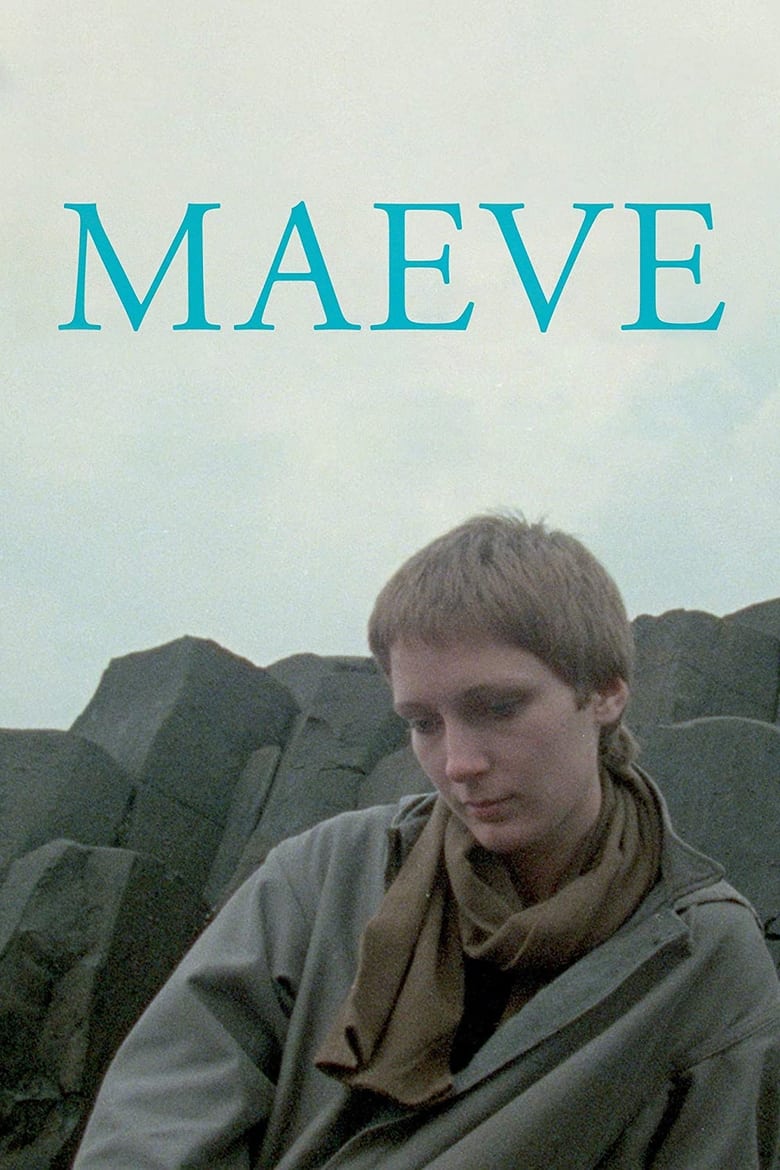
1981
Director
Pat Murphy, John Davies
Runtime
109 minutes
Average Rating
No ratings yetSynopsis
Maeve returns home to Belfast after a long absence. Her arrival in the city stimulates a series of memories of childhood and adolescence both in herself and other people.
Overall Score
Good
Category Breakdown
LGBTQ+ Representation
The narrative centers on Maeve's past romantic connections, specifically her relationship with Liam Doyle. There is no explicit evidence of queer subtext or non-heteronormative identities present.
Gender Representation
The film excels by centering Maeve’s internal landscape and emotional autonomy. It subverts traditional hierarchies by prioritizing female agency over the male-dominated political structures of the era.
Racial & Ethnic Diversity
Set during the Troubles, the film operates within a historically homogeneous socio-political context. It focuses on localized sectarian tensions rather than broader racial or ethnic diversity.
Religious & Cultural Diversity
The story offers a critique of traditional institutions by framing the domestic sphere against civil unrest. It deconstructs the idea of a stable state through a subjective, non-linear lens.
Disability Representation
There is no discernible evidence regarding the portrayal of physical or neurodivergent disabilities within the film's plot or character descriptions.
Strengths
Areas for Improvement
AI Analysis
Maeve stands as a landmark piece of Irish cinema, recognized as the nation's first feminist film. It successfully disrupts the 'great man' theory of history by utilizing a fragmented, memory-based structure to elevate female subjectivity. The film moves the focus away from the external political violence of the Troubles to explore the internal life of its protagonist. While the film is highly effective in its gendered perspective, it remains limited by its specific historical and geographic setting. The focus on the sectarian landscape of Belfast results in a lack of racial and LGBTQ+ breadth. However, its ability to deconstruct systemic oppression through a personal lens remains its greatest strength. Ultimately, the film is a sophisticated study of how personal memory and female agency can exist alongside, and in opposition to, a landscape of systemic conflict.
1966

1982
1992

1961
1988

1984

1985

1998

1988

1986

1983
1998
No reviews yet. Be the first to share your thoughts on this movie!
Use the rating form above to leave a star rating and optional review.