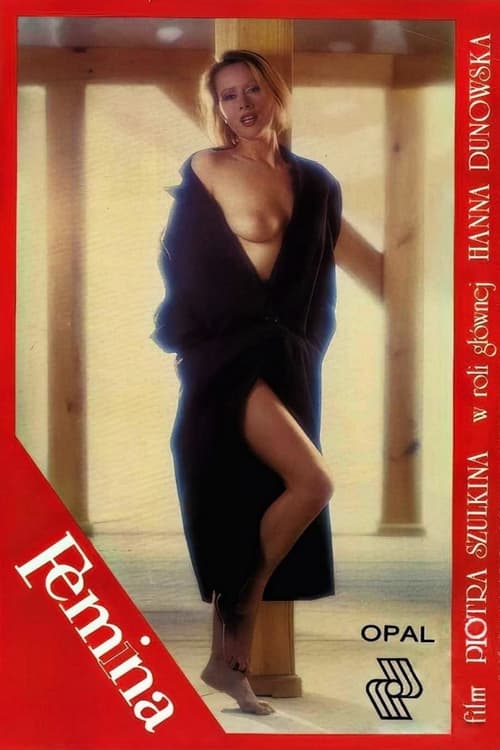
Femina
1991
No user ratings available yet
Representation score: 7.3 out of 10
Representation Score
Fair
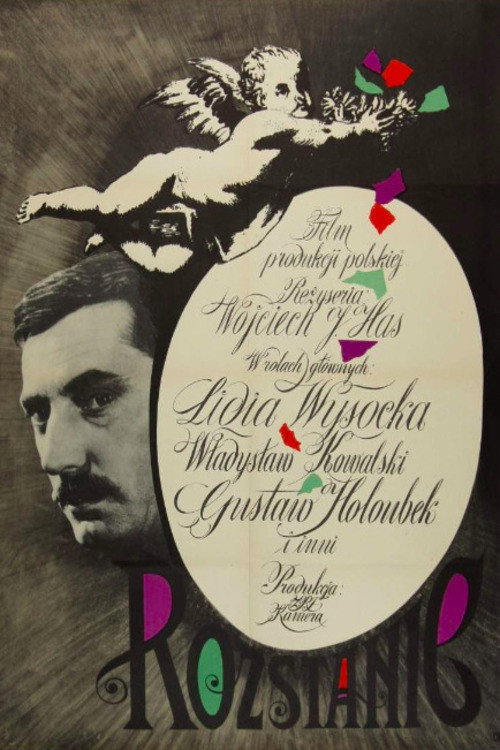
1961
Director
Wojciech Has
Runtime
72 minutes
Average Rating
No ratings yetNew Showbiz Analysis
Wojciech Has presents a reflective study on the decay of nostalgia and the subjectivity of memory. The film centers a female perspective, using an actress's return to her roots to drive a psychological narrative rather than an action-oriented one. However, the work is limited by its historical and geographical context, resulting in a homogeneous demographic that reflects the social constraints of 1961 Poland. Ultimately, the film's strength lies in its intellectual subversion of objective truth, prioritizing individualized reality over communal or traditionalist histories.
Category Breakdown
The film does not include any explicit representations of LGBTQ characters or themes. While the focus on personal experiences hints at a move away from strict social norms, there is no clear indication of LGBTQ content.
The story is driven by a female protagonist who undergoes a psychological journey to reclaim her past. Her actions and thoughts are central to the plot.
The cast likely reflects the homogeneous population of 1961 Poland. There is no evidence of intentional racial diversity or casting outside this historical context.
The narrative challenges traditional histories by presenting truth as a subjective construct. It questions the sanctity of the past through a skeptical, postmodern lens.
There is no information available regarding the presence of characters with visible or invisible disabilities.
Present on Screen
Limited or Absent
Official Synopsis
An actress visits her hometown to attend the funeral of her grandfather. She realizes that the places and people from her past differ from her cherished memories.
1991

1963
1966

1988
1980

1988
1960

1976
No reviews yet. Be the first to share your thoughts on this movie!
Use the rating form above to leave a star rating and optional review.