
Amorosa
1986
No user ratings available yet
Representation score: 8.1 out of 10

Representation Score
Fair
1966
Director
Mai Zetterling
Runtime
105 minutes
Average Rating
No ratings yetNew Showbiz Analysis
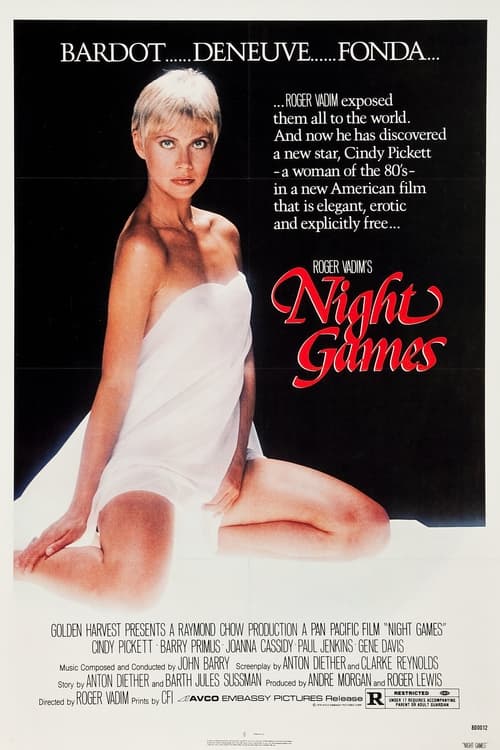
Night Games stands as a significant work of cinematic disruption, primarily through its sophisticated handling of gender dynamics. By centering the female perspective, Zetterling effectively deconstructs patriarchal norms and shifts the narrative focus away from male-driven plots. The film's strength lies in its exploration of identity and autonomy. It moves away from traditionalist formulas toward a more nuanced, subjective storytelling model that prioritizes the internal lives of its characters. However, the film remains limited by the demographic realities of its era. It lacks significant racial diversity and explicit LGBTQ+ representation, focusing instead on a localized, psychologically driven Swedish context.
Category Breakdown
The film explores sexual liberation and the complexities of desire within the Swedish New Wave. However, it lacks explicit, centralized LGBTQ+ roles or confirmed same-sex romantic pairings.
Zetterling centers the female gaze and intellect, disrupting traditional hierarchies. Women play a significant role in driving the story, challenging the era's depiction of submissive femininity.
The production reflects the demographic homogeneity of mid-century European art cinema. It focuses on a localized Swedish setting with no evidence of a diverse cast.
The narrative critiques conventional Western social constraints by prioritizing individual autonomy over institutional stability. It engages with themes of subjective morality and moral relativism.
While the film explores psychological trauma and memory, it does not feature specific, characterized physical or neurodivergent disabilities portrayed with ability to act.
Present on Screen
Limited or Absent
Official Synopsis
A man on the verge of marriage is haunted by traumatic memories from his childhood.
1986
1976
1969
1980
1968
1964
1980

1968
No reviews yet. Be the first to share your thoughts on this movie!
Use the rating form above to leave a star rating and optional review.