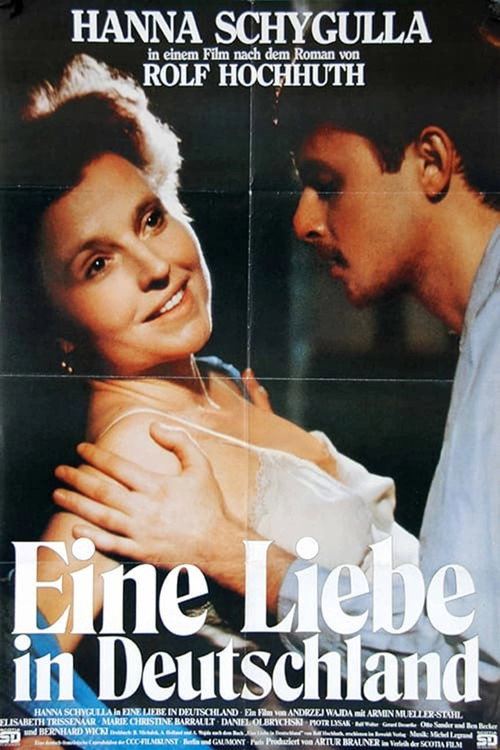
A Love in Germany
1983
No user ratings available yet
Representation score: 6.4 out of 10
Representation Score
Fair
1988
Director
Rainer Simon
Runtime
100 minutes
Average Rating
No ratings yetNew Showbiz Analysis
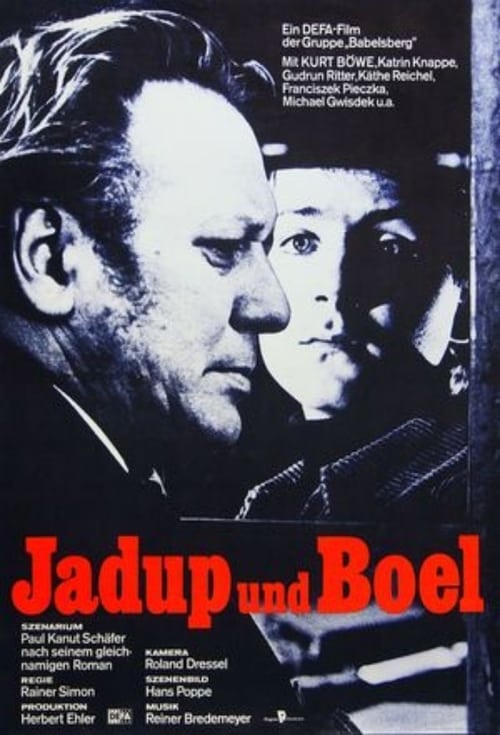
Jadup and Boel is a sophisticated drama that uses post-war trauma to dismantle a town's sanitized collective memory. The film excels at deconstructing traditional authority, specifically by stripping away the heroic veneer of the respected mayor to reveal a history of moral negligence. While the film provides deep psychological insight and elevates women's ability to drive the story, it remains limited in its breadth of identity representation. The narrative focuses heavily on the tension between the individual and the community's established social hierarchies. Ultimately, the film's strength lies in its willingness to prioritize uncomfortable truths over social cohesion, making it a powerful study of accountability and suppressed history.
Category Breakdown
The story focuses on heterosexual romantic longing and missed connections. There is no explicit depiction of non-binary or transgender identities within the narrative.
The film challenges traditional gender roles by centering Boel’s historical experience. It critiques the male lead's leadership, framing his past actions as negligent rather than heroic.
The cast appears largely homogeneous, though the film uses the figure of a refugee to examine community prejudice. It mentions a Russian soldier to explore outsider tensions.
The narrative prioritizes individual accountability over state or communal authority. It deconstructs traditional power structures by exposing the moral failures of a respected community leader.
There is no explicit evidence regarding the portrayal of physical or neurodivergent disabilities in the film.
Present on Screen
Limited or Absent
Official Synopsis
In a small town, everyone has tried to forget what happened shortly after WWII. That is, until a stranger finds a book that Jadup (Kurt Böwe) gave to the young refugee Boel (Katrin Knappe), who resettled in the town over 30 years ago. Painful memories about Boel and the post-war period begin to surface and shake up the whole town. Boel vanished back then and nobody knew why. Word spread about a rape and some tried to blame a Russian soldier. Jadup, the town's respected and popular mayor, remembers, though, how he mistrusted Boel and did not help her through this difficult time; HE didn't even notice THAT Boel loved him. Jadup's confrontation with the past gives him a new, critical view of his current situation and surroundings.
1983
1989

2004

1963
1967
1973
1989

1960
No reviews yet. Be the first to share your thoughts on this movie!
Use the rating form above to leave a star rating and optional review.