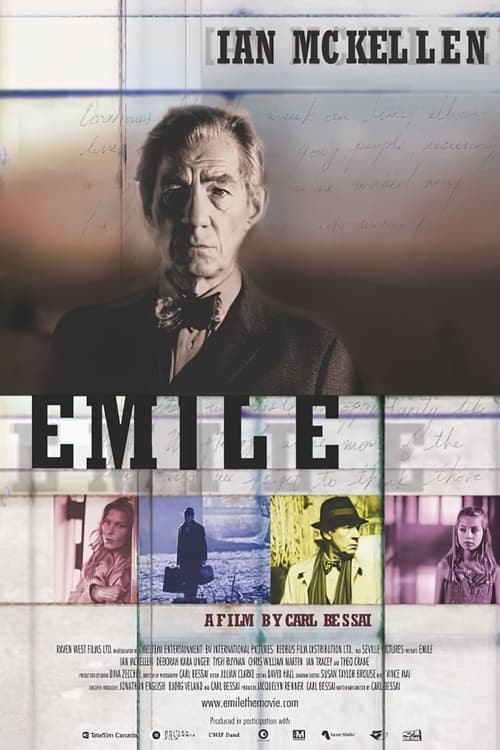
Emile
2003
No user ratings available yet
Diversity score: 4.8 out of 10

1988
PG-13Director
Sam Shepard
Runtime
90 minutes
Average Rating
No ratings yetSynopsis
After generations of being apart, an accident brings a family back together and they begin to cope with their original issues.
Overall Score
Fair
Category Breakdown
LGBTQ+ Representation
The film focuses on generational trauma and familial reunification. While the domestic setting allows for nuanced character studies, there is no explicit evidence of LGBTQ+ identities or narratives critiquing heteronormativity.
Gender Representation
The narrative disrupts traditional patriarchal leadership by focusing on emotional vulnerability. Characters move away from standard provider roles to cope with deep-seated psychological friction within the family.
Racial & Ethnic Diversity
The film appears to lean toward a homogeneous exploration of American archetypes. There is no specific information regarding a multicultural ensemble or diverse racial composition.
Religious & Cultural Diversity
The work challenges the sanctity of the nuclear family and traditional Western domestic ideals. It emphasizes moral relativism and the deconstruction of inherited familial dysfunction.
Disability Representation
The provided context contains no evidence regarding the presence of characters with visible or invisible disabilities.
Strengths
Areas for Improvement
AI Analysis
Sam Shepard’s Far North is a psychological study of familial fragmentation rather than a showcase for demographic breadth. The film prioritizes the deconstruction of social structures and the breakdown of the American mythos over explicit representation of diverse identities. While the film lacks significant racial or LGBTQ+ visibility, it succeeds in challenging traditional hierarchies. It replaces stable, patriarchal authority with complex, vulnerable character arcs that question the integrity of the nuclear family. Ultimately, the work is a thematic exploration of systemic alienation. It trades broad inclusivity for a deep, critical look at the instability of traditional Western domestic institutions.
2003

2018

2017

2016
2017

2009
1981

1987

2003
1983

2021

2021
No reviews yet. Be the first to share your thoughts on this movie!
Use the rating form above to leave a star rating and optional review.