
Cousin Angelica
1974
No user ratings available yet
Representation score: 6.8 out of 10
Representation Score
Fair
1982
Director
Carlos Saura
Runtime
106 minutes
Average Rating
No ratings yetNew Showbiz Analysis
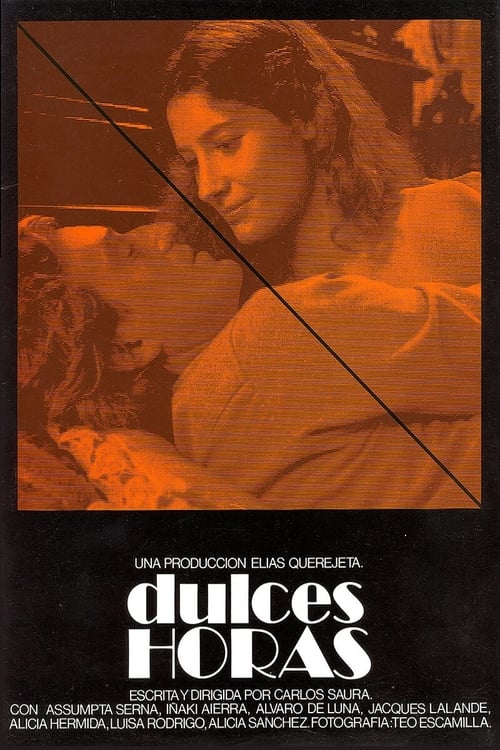
Sweet Hours is a sophisticated psychological study that prioritizes the deconstruction of traditional social and familial norms. It moves away from singular morality to explore the trauma and obsession inherent in memory. The film's strength lies in its narrative structure, which challenges the stability of Western domestic ideals. It replaces traditional archetypes with a complex, subjective, and morally ambiguous exploration of identity. However, the work remains limited by its homogeneous casting and lack of explicit representation for LGBTQ+ identities or diverse racial backgrounds, reflecting its specific historical setting.
Category Breakdown
The film explores intense, non-traditional psychological fixations and eroticized attachments. While it lacks explicit LGBTQ characters, the sexualized subtext challenges assumptions about straight relationships through unconventional desire.
The narrative disrupts the nurturing mother cliché by presenting the maternal figure as complex and potentially manipulative. Marta provides a necessary counter-perspective to the idealized woman archetype.
Set within the specific socio-historical milieu of post-Civil War Spain, the cast and setting appear largely homogeneous. There is no significant evidence of racial blending.
The film deconstructs traditional Western institutions and the family unit. It favors a postmodern approach, prioritizing subjective memory and moral relativism over traditionalist values.
There is no discernible focus on physical or neurodivergent disabilities within the narrative.
Present on Screen
Limited or Absent
Official Synopsis
Juan Sahagún, since childhood, feels passion for his mother. One day in the street he sees a woman identical to her. He follows her and finds out that she works as an actress in a theater company, so Juan decides to hire the whole company to represent the people who have influenced him in his past. They recreate the same situations of yesteryear and Juan acts as the child he was, to relive the memories already forgotten.
1974
1983
2000
1976
1984
2018
1999

1948
No reviews yet. Be the first to share your thoughts on this movie!
Use the rating form above to leave a star rating and optional review.