
Made in Argentina
1987
No user ratings available yet
Diversity score: 5.0 out of 10

1983
Director
Juan José Jusid
Runtime
86 minutes
Average Rating
No ratings yetSynopsis
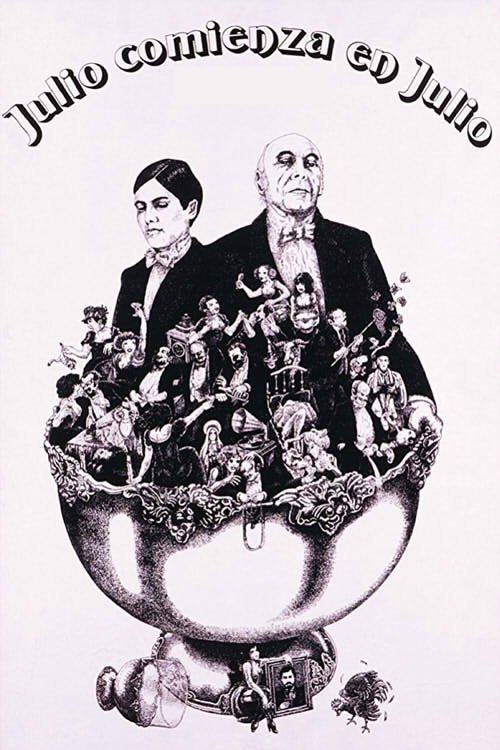
Juan remembers his childhood spent during the fifties in Argentina, when he lived doubts, fears and conflicts typical of the passage towards adolescence, surrounded by his family and the neighbors of the neighborhood
Overall Score
Fair
Category Breakdown
LGBTQ+ Representation
The film explores the doubts and fears of adolescence, which often signal internal identity conflicts. While no specific non-heteronormative characters are confirmed, the thematic focus allows for nuanced exploration of burgeoning sexuality.
Gender Representation
The narrative examines the transition to adolescence within a 1950s social structure. This setting provides opportunities to highlight tensions between traditional domestic roles and the emerging autonomy of younger characters.
Racial & Ethnic Diversity
Set in mid-century Argentina, the story focuses on the communal textures of a neighborhood. The depiction likely reflects the specific demographic landscape and social stratification of that era.
Religious & Cultural Diversity
The film avoids idealized nostalgia by focusing on psychological realism and moral questioning. It frames childhood not as a period of innocence, but as one of instability and personal conflict.
Disability Representation
There is no information available regarding the portrayal of physical or neurodivergent disabilities in this work.
Strengths
Areas for Improvement
AI Analysis
Juan José Jusid’s drama offers a psychological look at 1950s Argentina, moving beyond simple nostalgia to examine the friction between individual identity and social expectations. By centering on the transition from childhood to adolescence, the film prioritizes the internal conflicts and personal agency of its protagonists. The narrative uses the neighborhood setting to explore social textures and the complexities of communal life. While the film avoids idealized depictions of domesticity, it remains grounded in the specific historical and social frameworks of the period. Ultimately, the film functions as a character-driven study of growth. It trades static archetypes for a more complex exploration of the doubts and fears that define the passage into adulthood.
1987

2018

2005

1992
1979

1962
1986

2008

1984

1986

2017

2014
No reviews yet. Be the first to share your thoughts on this movie!
Use the rating form above to leave a star rating and optional review.