
Madame Bovary
1937
No user ratings available yet
Diversity score: 4.1 out of 10
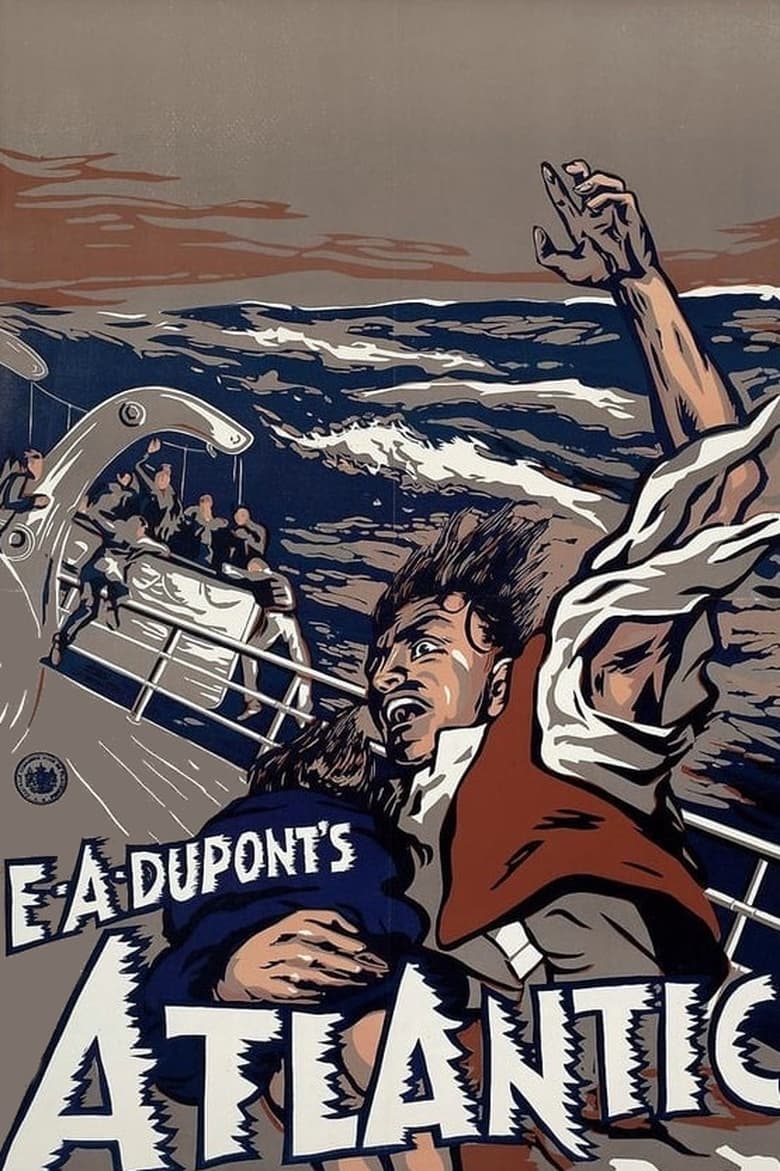
1929
NRDirector
E.A. Dupont
Runtime
90 minutes
Average Rating
No ratings yetSynopsis
A heavily fictionalized version of the RMS Titanic story.
Overall Score
Limited
Category Breakdown
LGBTQ+ Representation
The film centers on a traditional romantic triangle between a husband, wife, and a third party. No non-cisnormative identities or same-sex intimacy are present in the plot.
Gender Representation
The female lead avoids the passive tropes of high-society femininity. By prioritizing her own desires over marital stability, the narrative subverts traditional domestic roles and social hierarchies.
Racial & Ethnic Diversity
The cast is predominantly white and European, reflecting 1929 production standards. The film lacks non-Anglo-Saxon representation or intentional racial blending within its maritime setting.
Religious & Cultural Diversity
The story critiques class rigidity and Western social norms. It uses the tension between elite passengers and the working-class crew to highlight inequities in the social hierarchy.
Disability Representation
No characters with visible or invisible disabilities are central to the story. Disability is not utilized as a plot device within the narrative.
Strengths
Areas for Improvement
AI Analysis
Atlantic is a period piece that reflects the demographic homogeneity of 1929 cinema, particularly regarding race and LGBTQ+ identities. The cast remains almost exclusively white and European, and the plot adheres to traditional heteronormative romantic structures. However, the film finds depth through its thematic subversion of social institutions. It challenges the sanctity of marriage and the rigidity of class hierarchies by centering individual passion over systemic expectations. This focus on agency and class tension provides a layer of social critique. Ultimately, the film's diversity is limited by its era's casting practices but elevated by its willingness to deconstruct the social authority of the upper class and traditional gender roles.
1937
1928
1927

1959
1932
1984
1939
1929

1929
1934
1933
1928
No reviews yet. Be the first to share your thoughts on this movie!
Use the rating form above to leave a star rating and optional review.