
The Three Passions
1928
No user ratings available yet
Representation score: 0.8 out of 10
Representation Score
Minimal
1934
Director
Michael Powell
Runtime
69 minutes
Average Rating
No ratings yetNew Showbiz Analysis
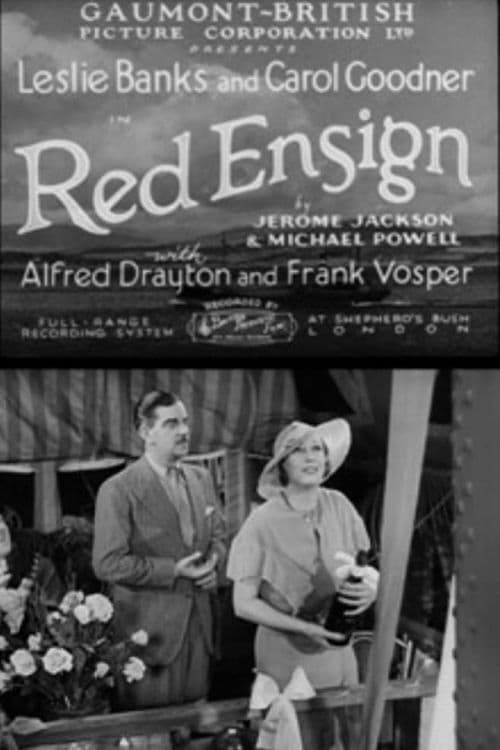
Red Ensign is a period-specific industrial drama that mirrors the social hierarchies of the 1930s. The narrative is driven by professional competence and the preservation of traditional industry, offering little demographic breadth. The film focuses on the friction between labor and capital, yet it remains centered on a singular male protagonist. This narrow focus limits the complexity of the story. Ultimately, the work functions as a standard mid-century drama, prioritizing industrial management and economic struggle over diverse representation.
Category Breakdown
The film does not include any explicit LGBTQ+ characters or narratives. It adheres to the traditional social norms of the 1930s, focusing on industrial and professional struggles.
The story centers on a male protagonist in a male-dominated shipbuilding industry. This structure reinforces traditional masculine leadership roles and lacks evidence of female influence.
The narrative reflects the homogeneous demographics of 1930s British society, with no indication of significant non-white representation in the cast.
The film explores the tensions between labor and capital through industrial conflict. While it depicts social friction, it focuses on a singular professional mission rather than broader systemic issues.
There is no information available regarding the portrayal of physical or neurodivergent characters in this production.
Present on Screen
Limited or Absent
Official Synopsis
David Barr is the manager and chief designer of a British shipyard in decline. The shipyard is in financial trouble but Barr has a design for a new ship that will save them all. Can he get the ship built in spite of the opposition from his own bankers as well as the rival shipbuilders and their infiltrated militants.
1928
1950

1940

2012

1943
1934

1949

1936
No reviews yet. Be the first to share your thoughts on this movie!
Use the rating form above to leave a star rating and optional review.