Er
1983
No user ratings available yet
Representation score: 0.0 out of 10
Representation Score
Fair
1984
Director
Lutz Büscher
Runtime
103 minutes
Average Rating
No ratings yetNew Showbiz Analysis
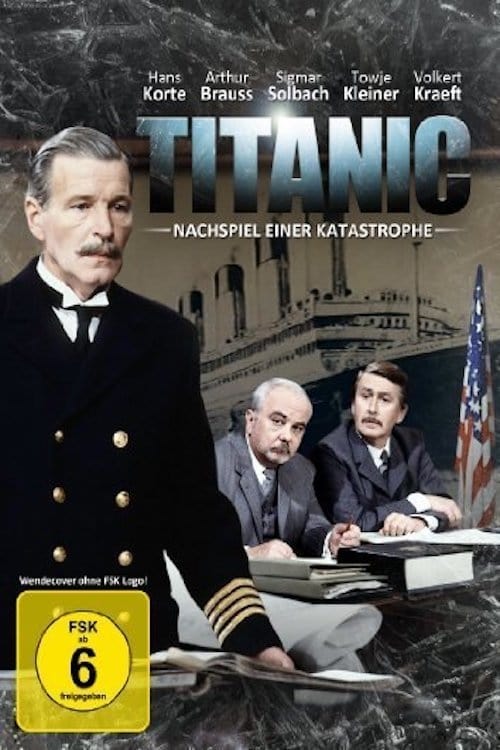
Lutz Büscher’s film functions as a historical procedural, trading the spectacle of the sinking for the tension of a courtroom drama. By centering the United States Senate inquiry, the film examines institutional accountability and the search for culpability following the disaster. However, this focus on legal and maritime hierarchies results in a narrow demographic scope. The narrative prioritizes the perspectives of high-ranking officials and investigators, reinforcing the traditionalist social structures of the early 20th century. While the film offers a nuanced critique of industrial progress and the myth of the 'unsinkable,' it does so through a largely homogeneous lens. The lack of diverse representation across gender, race, and identity reflects the era's institutional norms.
Category Breakdown
The film does not feature any LGBTQ+ characters or narratives. It adheres to the social norms of both the 1912 setting and the 1984 production era.
The narrative focuses heavily on male-dominated institutional spaces such as the Senate inquiry. It reflects the historical reality of male-centric leadership in maritime and political hierarchies.
The focus remains on the American and British upper echelons of the early 1900s. This prioritization of institutional perspectives limits the visibility of non-Anglo-Saxon individuals.
The film explores complex cultural values by prioritizing investigative truth over romanticized heroism. It critiques the search for scapegoats within the maritime industry.
There are no characters with visible or invisible disabilities. The plot centers on the legal testimonies of able-bodied officials and officers.
Present on Screen
Limited or Absent
Official Synopsis
On its maiden voyage in April 1912, the supposedly unsinkable RMS Titanic hits an iceberg in the Atlantic Ocean.
1983

1979
1993
1999

1994

1983
1980

1993
No reviews yet. Be the first to share your thoughts on this movie!
Use the rating form above to leave a star rating and optional review.